Poland’s PGZ eyes deeper defense collaboration with Ukraine, with focus on naval drones
Polska Grupa Zbrojeniowa (PGZ), Poland’s leading defense holding, has expressed strong interest in expanding its cooperation with Ukraine’s defense sector—particularly in the realm of unmanned naval systems.
security business investments equipment and technology news02 august 2025 | 08:17 | Source: Gazeta Morska / PAP | Prepared by: Kamil Kusier | Print
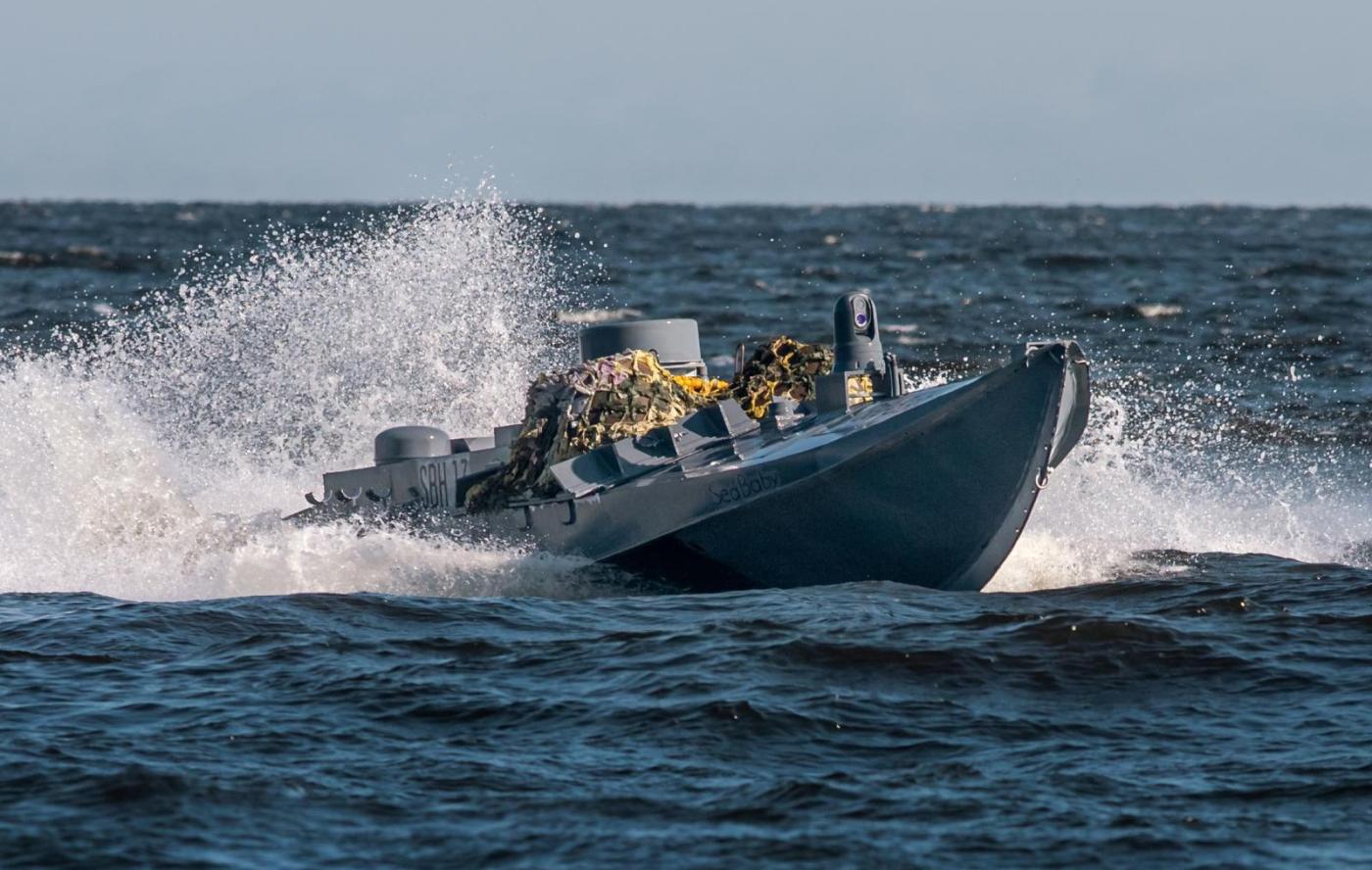
fot. Sea Baby ukraiński wielozadaniowy bezzałogowy pojazd nawodny
In a recent interview with Interfax-Ukraine, PGZ Vice President Jan Grabowski praised the technical sophistication of Ukraine’s defense industry and confirmed Poland’s intention to deepen industrial ties through joint production, technology sharing, and logistical support, including under European financing mechanisms.
Among the most promising areas of collaboration is drone technology, especially unmanned surface and underwater systems.
- We are talking primarily about cooperation in drone technologies—with a strong focus on unmanned aerial vehicles, but also maritime drones and other autonomous systems, Grabowski stated.
This announcement comes on the heels of a visit to Kyiv by a high-level Polish delegation led by Paweł Kowal, chairman of the Foreign Affairs Committee of the Sejm and head of the Council for Cooperation with Ukraine. PGZ representatives also took part in the Poland-Ukraine Defense Industry Forum in Lviv earlier this year and have maintained ongoing dialogue with Ukrainian defense officials and manufacturers.
PGZ has played a significant role in supporting Ukraine’s defense efforts since the outset of Russia’s full-scale invasion. Signature products delivered to Ukraine include Krab 155mm howitzers, Rosomak armored personnel carriers, Rak 120mm self-propelled mortars, and Piorun man-portable air-defense systems.
The cooperation now extends beyond supply—PGZ is engaged in maintenance and repair operations for equipment returning from the front. Some of these repairs, including barrel replacements for Krab howitzers, are conducted directly in Ukraine. PGZ is exploring the possibility of relocating barrel production to Ukrainian territory as well.
Notably, PGZ established a Ukrainian subsidiary, Serwis Orel, in 2022 to support frontline repair capabilities for Polish-made systems.
- We are supporting the Ukrainian front through maintenance services, and we want to expand this cooperation even further, said Grabowski.
Beyond battlefield logistics, the real long-term value lies in technological synergy. Grabowski emphasized Ukraine’s robust competencies in missile technologies, an area PGZ also views as strategically important for joint development.
- In terms of security, technology, and innovation, this is not just about helping Ukraine—it’s about building a shared European defense capability, he concluded.
see also
Buy us a coffee, and we’ll invest in great maritime journalism! Support Gazeta Morska and help us sail forward – click here!
Kamil Kusier
redaktor naczelny
comments
Add the first comment
see also
"Let everyone know we will prevail". Poland’s armed forces set strategic course for 2026-2039
“Army 500” and strategic transformation: Poland sets the course for long-term deterrence and allied readiness
Medical evacuation from offshore vessel in the Baltic. Rescue 511 helicopter and m/s Huragan deployed
Karol Nawrocki: “The strength of the republic lies in its armed forces”. Security requires national unity
Human trafficking, money laundering, millions frozen. Successful operation by border guard and tax administration
Evening SAR operation in the Baltic. Two kitesurfers stranded offshore
Medical evacuation from sailing ship in Gdynia port. 17-year-old safely transported
Medical evacuation from Danish-flagged vessel Skoven off Łeba. Joint SAR operation in the Baltic Sea
Almost 2.5 million travellers cleared in 2025 by the Maritime Border Guard
Frontex officers train with Polish Maritime Border Guard
ADVERTISEMENT
ADVERTISEMENT