PGZ and Anduril Industries sign strategic partnership on autonomous aerial systems for Poland
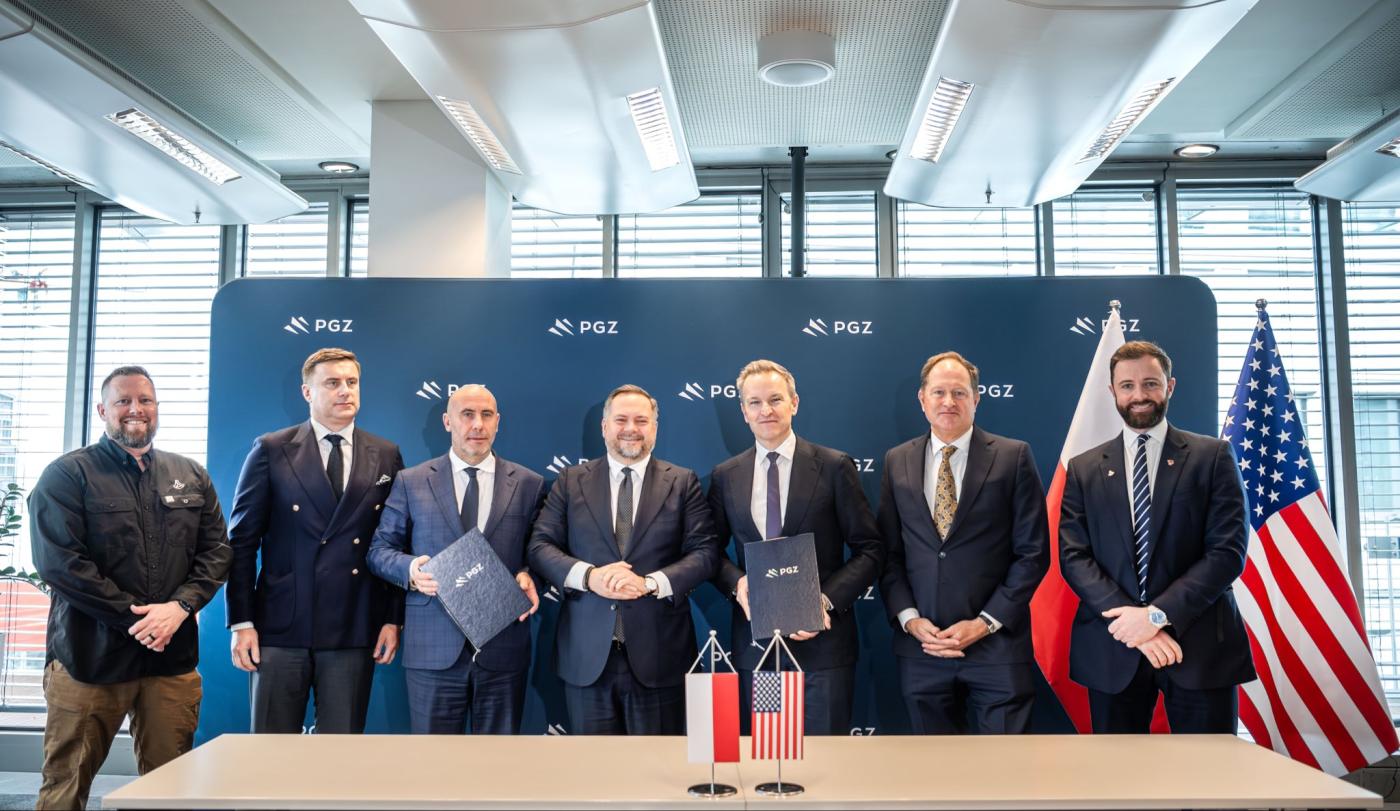
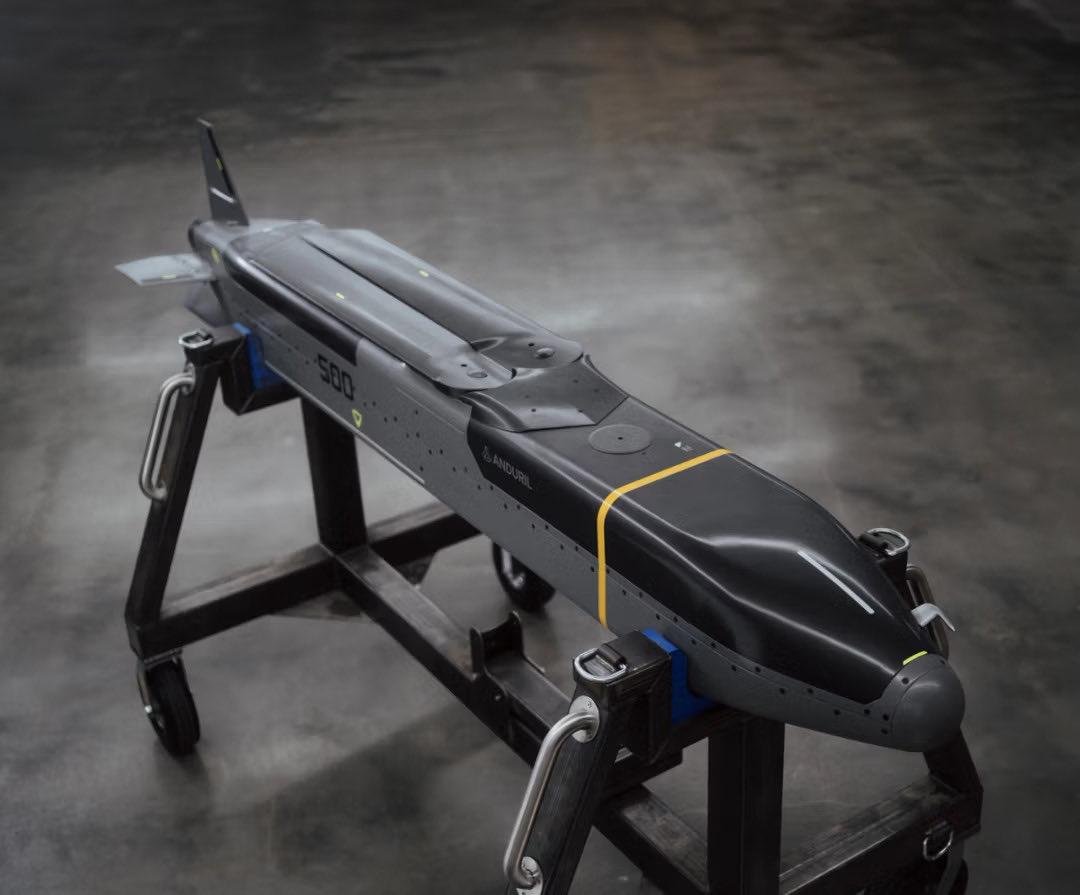
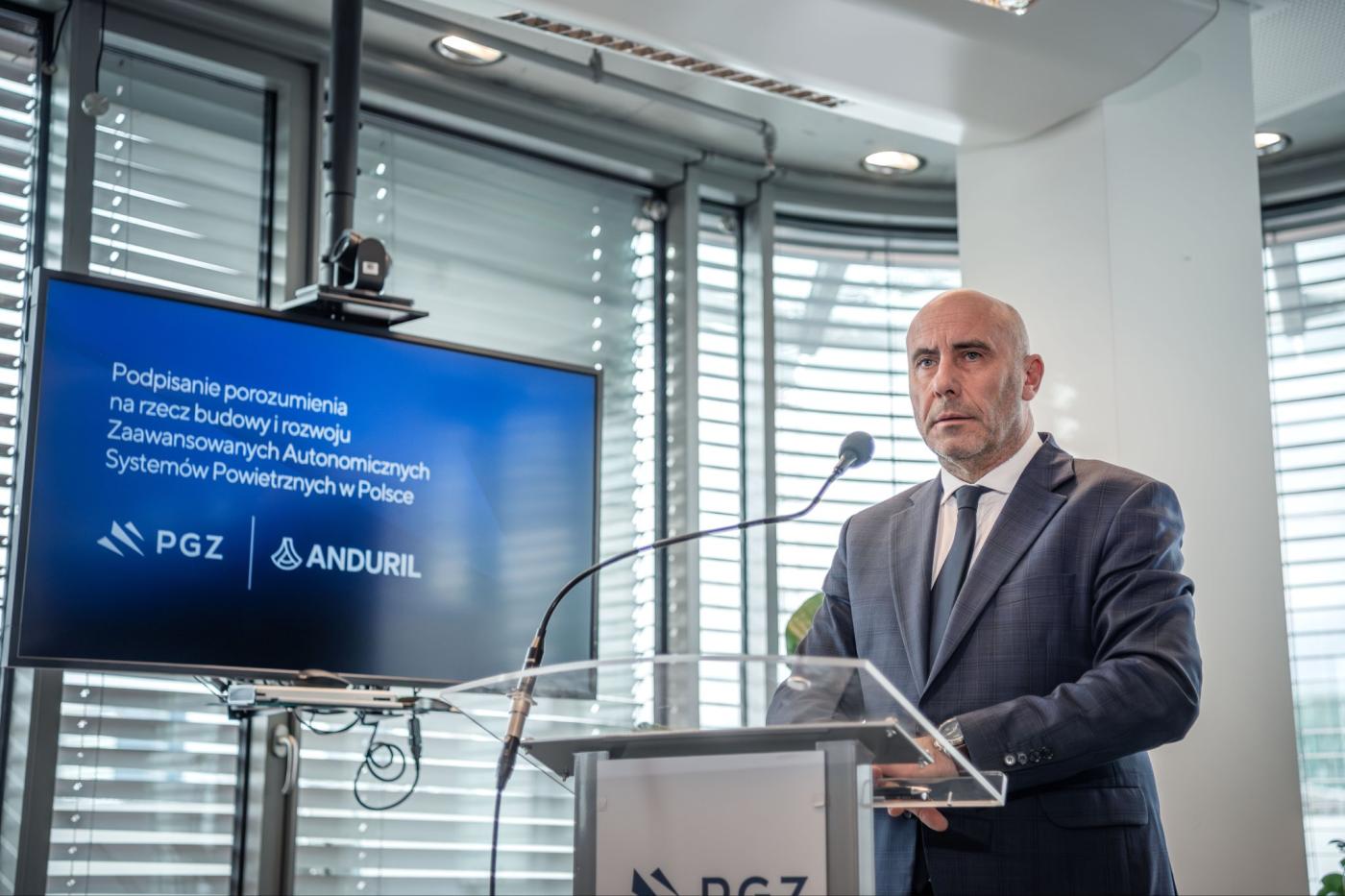
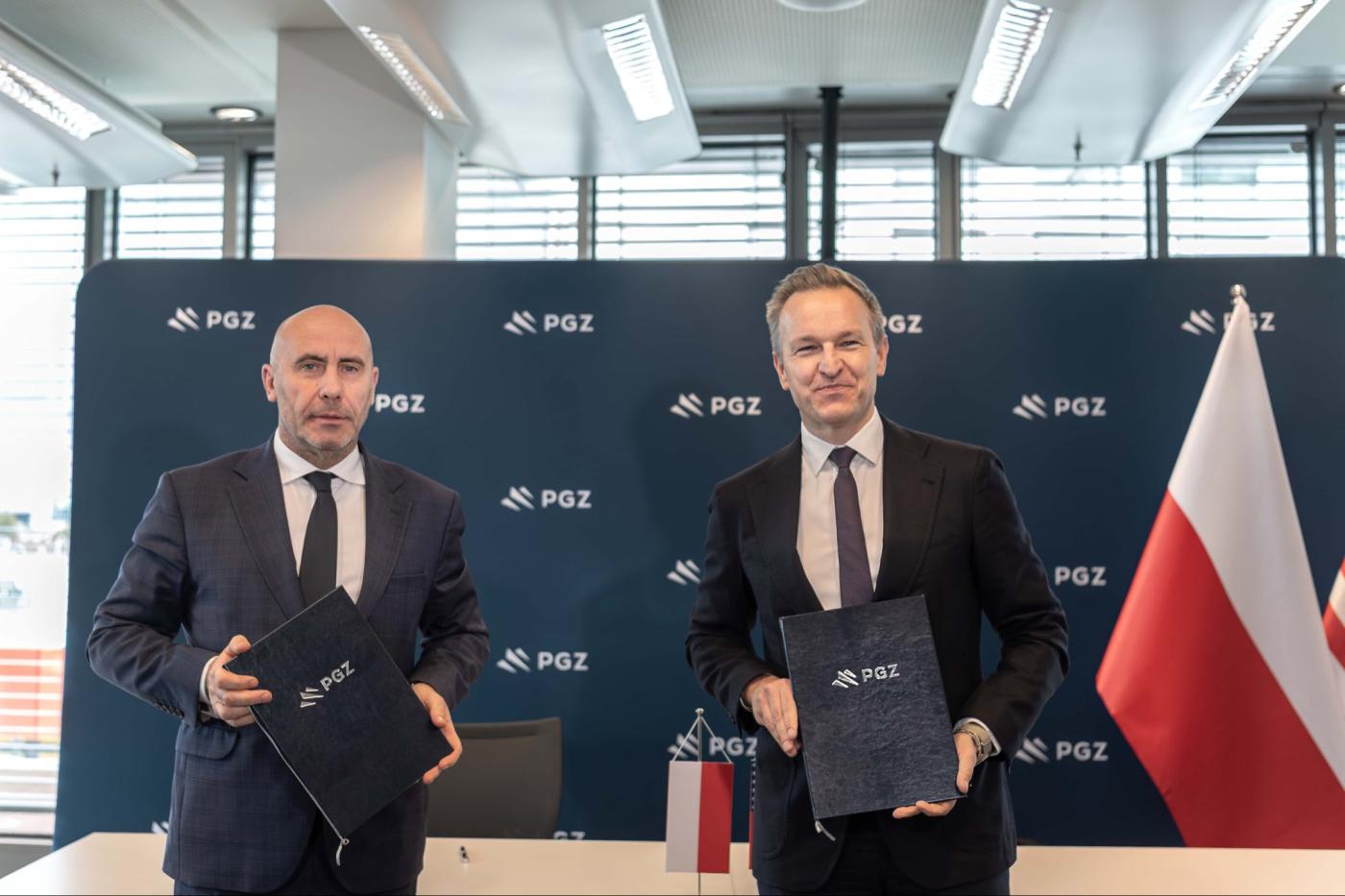
Polska Grupa Zbrojeniowa S.A. (PGZ) and Anduril Industries have signed a strategic cooperation agreement to jointly develop and produce autonomous aerial systems for the Polish Armed Forces. The partnership includes the development of a Polish variant of the Barracuda-500M cruise missile.
security worldwide defense industry equipment and technology news27 october 2025 | 20:37 | Source: Gazeta Morska | Prepared by: Kamil Kusier | Print
fot. PGZ
The agreement marks a significant step toward expanding Poland’s capabilities in the design and production of cost-effective, scalable precision weapons. Under the partnership, PGZ companies will participate in the development and production of the Barracuda platform, strengthening Poland’s defense industrial base, advancing national competencies in artificial intelligence, and creating new high-skilled jobs.
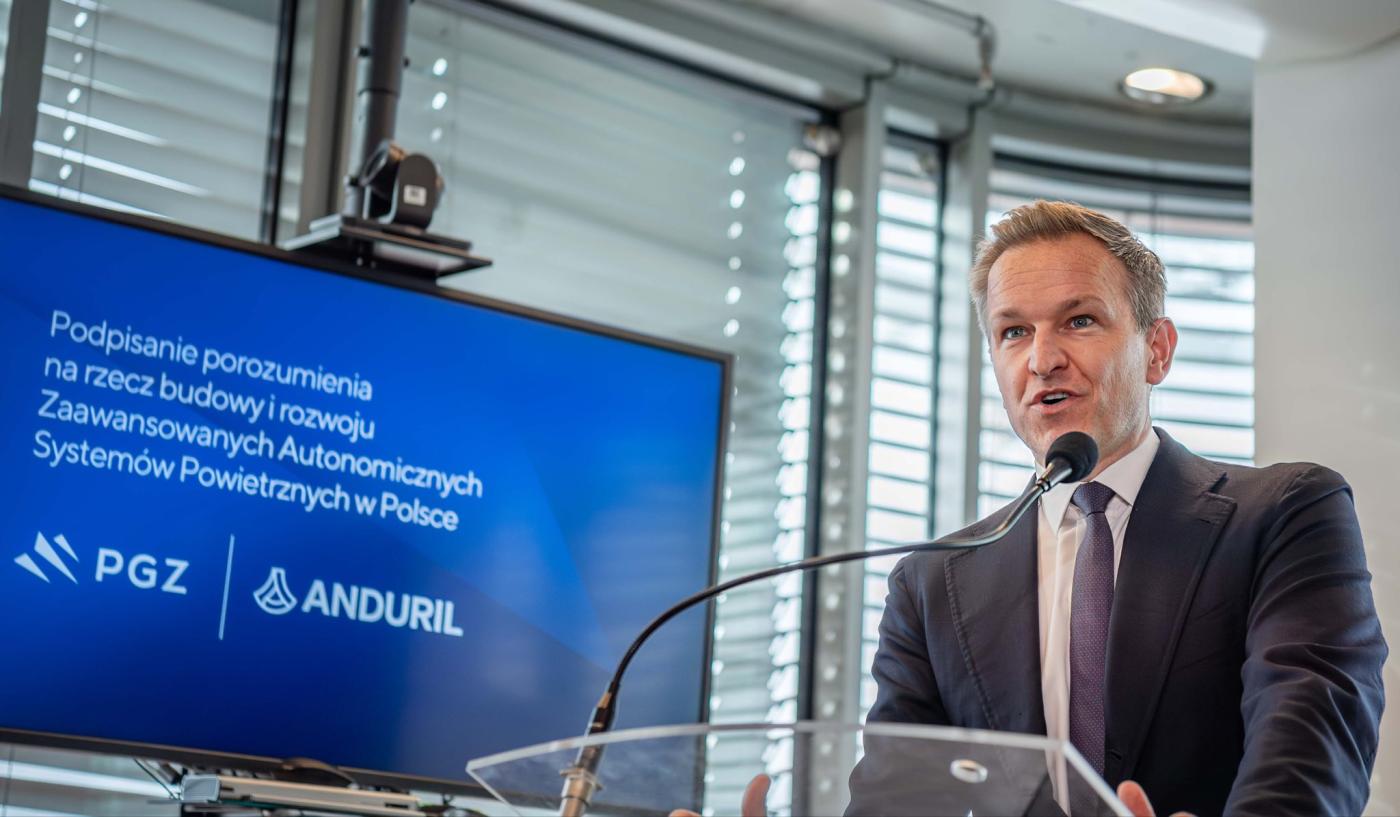
- Today’s agreement is another step toward the development of Poland’s defense industry. By combining PGZ’s industrial potential with Anduril’s expertise in autonomous systems, we can deliver a solution that meets the operational needs of our armed forces. The partnership paves the way for technology transfer, joint R&D, and equipment development, enhancing the security of Poland and the entire eastern flank of NATO, said Adam Leszkiewicz, President of the Management Board of PGZ S.A.
- Poland is a key strategic partner for Anduril. Our cooperation with PGZ on the localization of Barracuda missile production demonstrates how allied industries and sovereign suppliers can deliver scalable, cost-effective deterrent capabilities, added Brian Moran, Vice President of Anduril Europe.
The Barracuda family of autonomous aerial vehicles and cruise missiles has been designed for high-volume production. Its modular and autonomous architecture allows for multiple payloads and targeting configurations, making it a flexible and cost-efficient system suited for large-scale defense operations. The system’s low unit cost and adaptability will help Poland and other European nations respond effectively to evolving missile threats.
The joint development activities will be carried out in close coordination with the governments of Poland and the United States to ensure full compliance with applicable export and trade regulations.
Buy us a coffee, and we’ll invest in great maritime journalism! Support Gazeta Morska and help us sail forward – click here!
Kamil Kusier
redaktor naczelny
gallery
comments
Add the first comment
see also
Commodore Przemysław Karaś appointed deputy commander of the Maritime Operations Centre - Naval Component Command
Radmor hosts delegation from the Republic of Turkey. Advancing maritime security cooperation
French Navy expands global operations from the Pacific to the Red Sea
"Let everyone know we will prevail". Poland’s armed forces set strategic course for 2026-2039
“Army 500” and strategic transformation: Poland sets the course for long-term deterrence and allied readiness
Medical evacuation from offshore vessel in the Baltic. Rescue 511 helicopter and m/s Huragan deployed
Karol Nawrocki: “The strength of the republic lies in its armed forces”. Security requires national unity
Human trafficking, money laundering, millions frozen. Successful operation by border guard and tax administration
Evening SAR operation in the Baltic. Two kitesurfers stranded offshore
Medical evacuation from sailing ship in Gdynia port. 17-year-old safely transported
ADVERTISEMENT
ADVERTISEMENT