Operation Zatoka as Poland’s maritime shield against growing threats and provocations in the Baltic Sea
The increasing activity of the Russian Federation in the Baltic region, combined with a rise in sabotage and reconnaissance incidents, has made the protection of critical maritime infrastructure a top priority for all coastal states. Since September 2022, the Polish Navy has been continuously conducting Operation Zatoka, a comprehensive effort aimed at safeguarding gas pipelines, subsea cables and offshore energy installations within Poland’s Exclusive Economic Zone.
security logistics aviation navy transport and forwarding news26 october 2025 | 09:32 | Source: Gazeta Morska | Prepared by: Kamil Kusier | Print
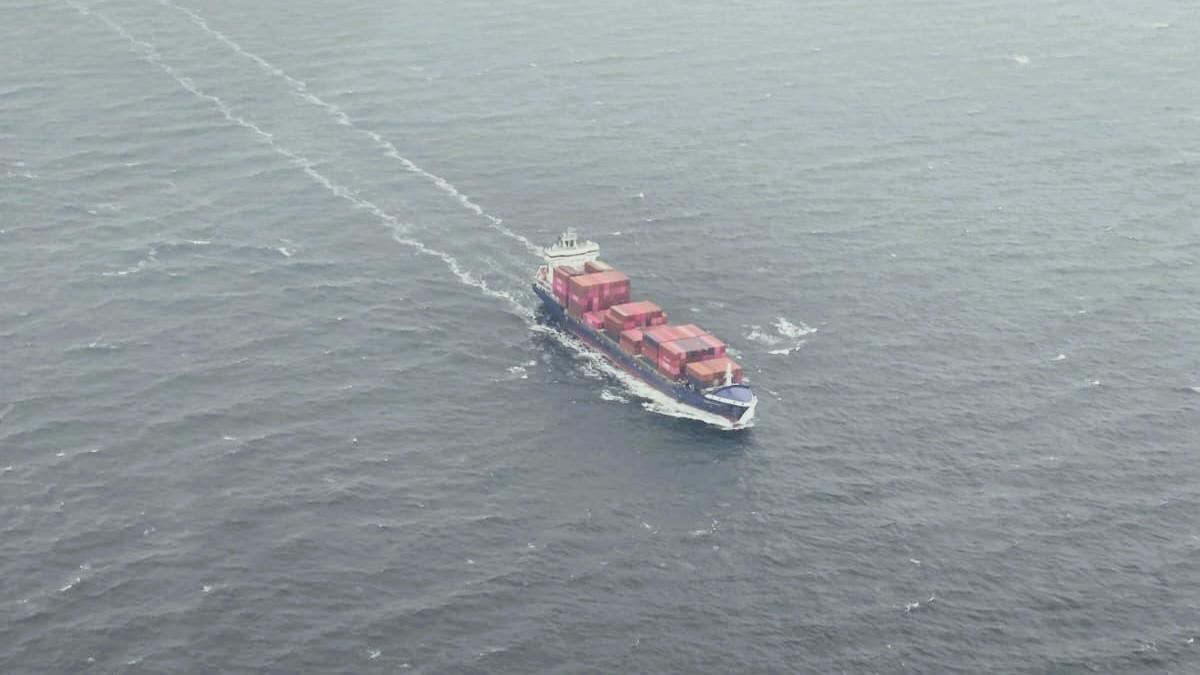
fot. DGRSZ
The Baltic under hybrid pressure
Following the explosions on the Nord Stream pipelines in 2022, the Baltic Sea has ceased to be merely a space for trade and cooperation. It has become an arena of quiet confrontation, where military, reconnaissance and information operations overlap with economic and civil activity. Recent months have seen increased activity by Russian research vessels, unconventional manoeuvres by civilian ships near energy infrastructure, and recurring disruptions of navigation systems — all elements typical of the hybrid warfare spectrum, operating below the threshold of open conflict but with real implications for regional stability.
Within this context, Operation Zatoka serves as a key element of Poland’s strategic defence posture. Its purpose is not only to monitor undersea infrastructure but also to deter potential provocations and respond rapidly to any suspicious activity in areas vital to national and regional energy security.
Integrated presence and maritime domain awareness
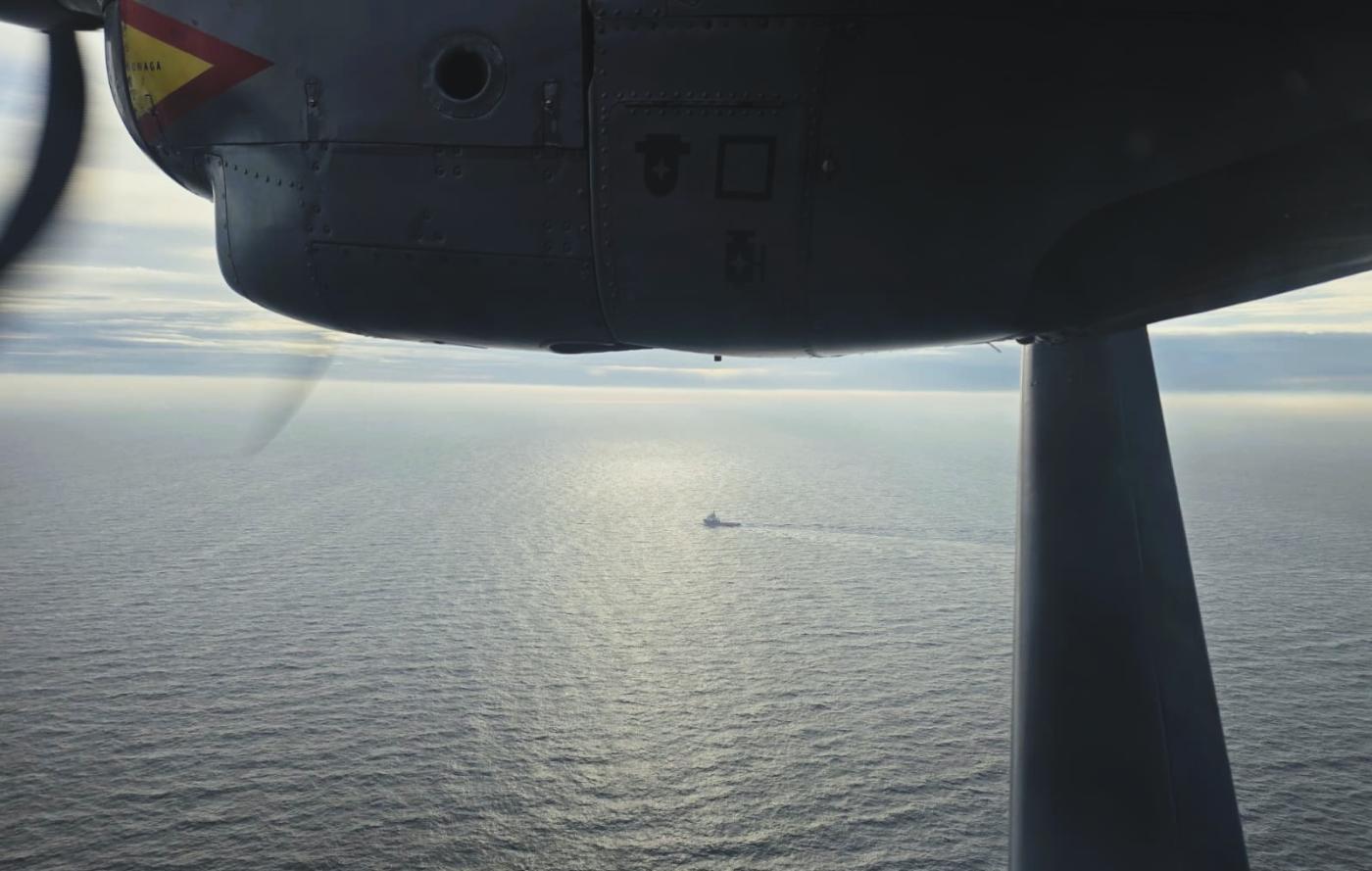
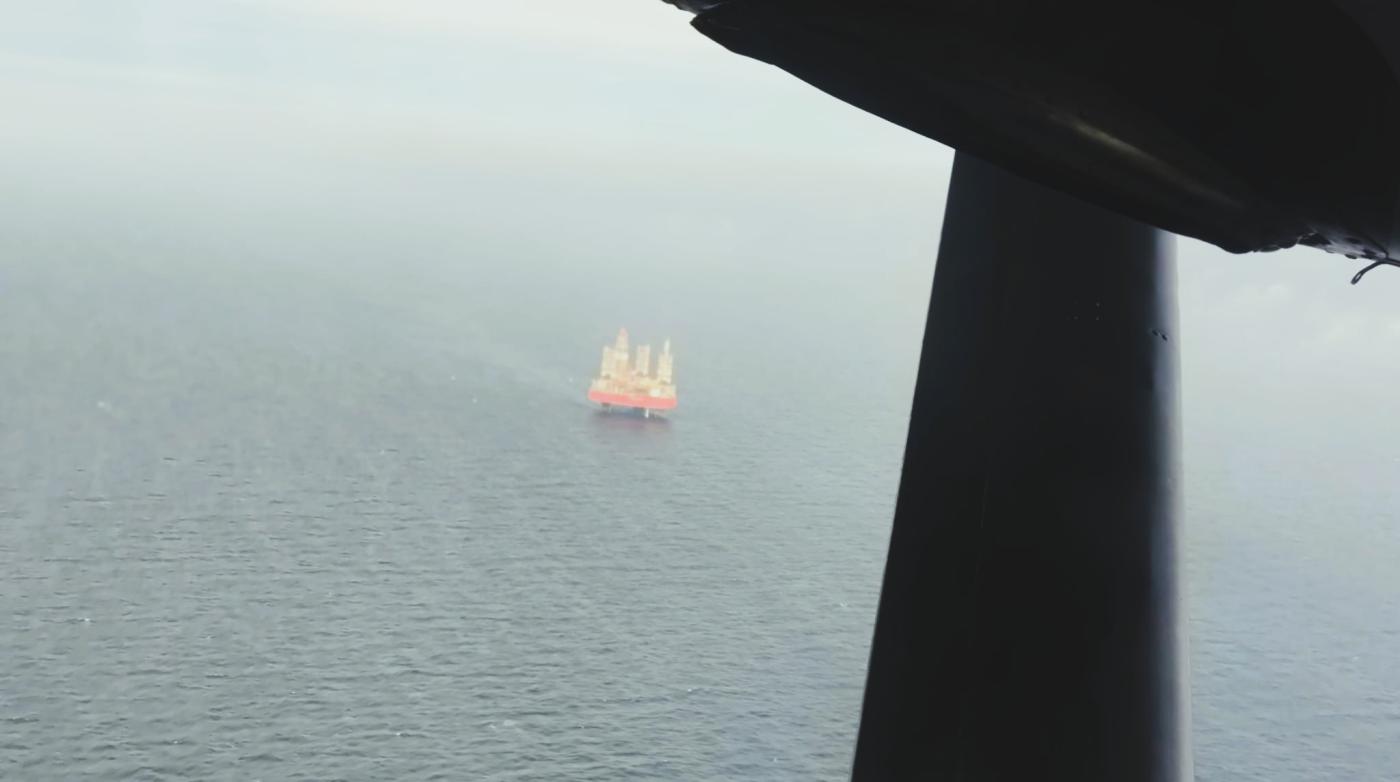
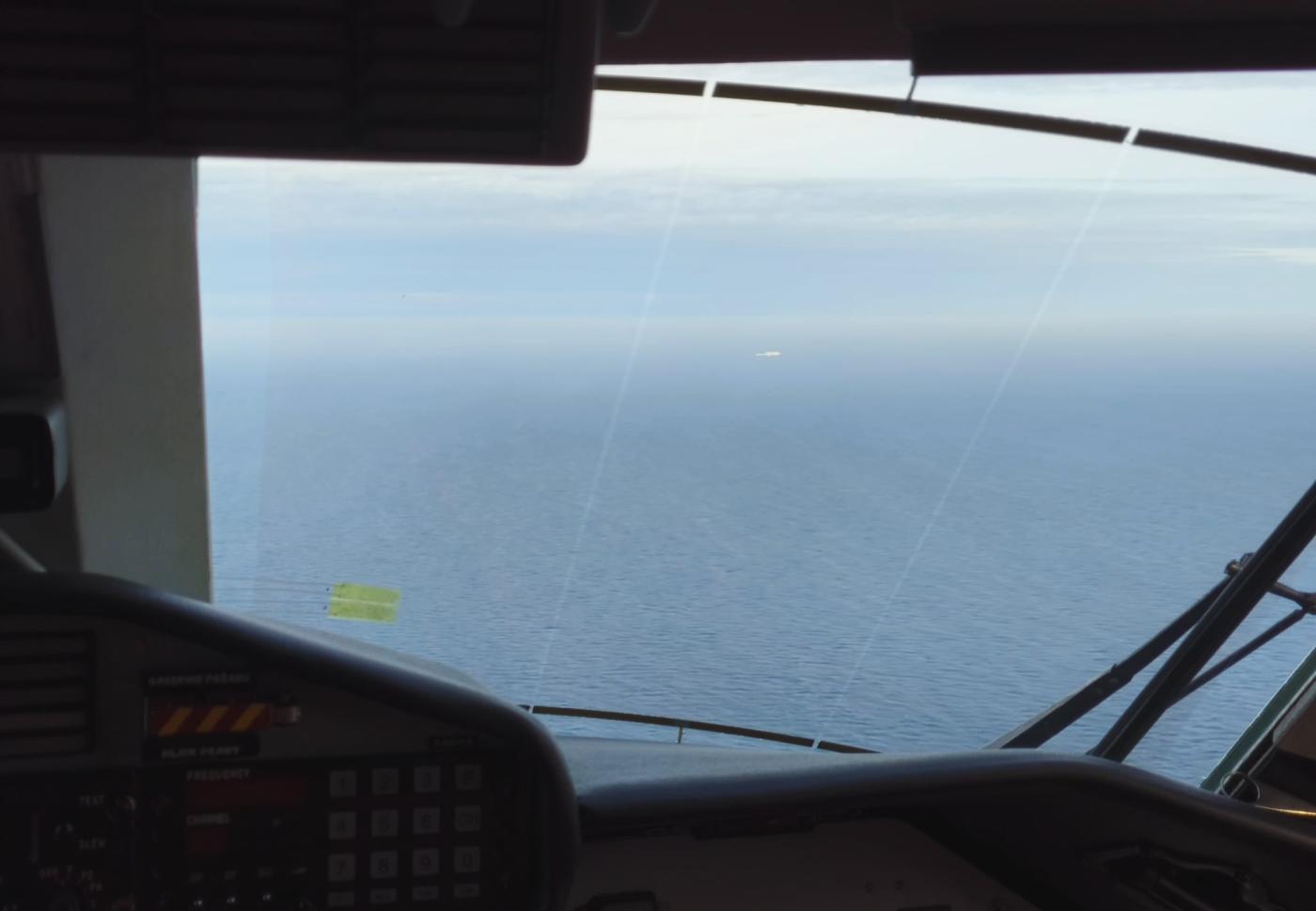
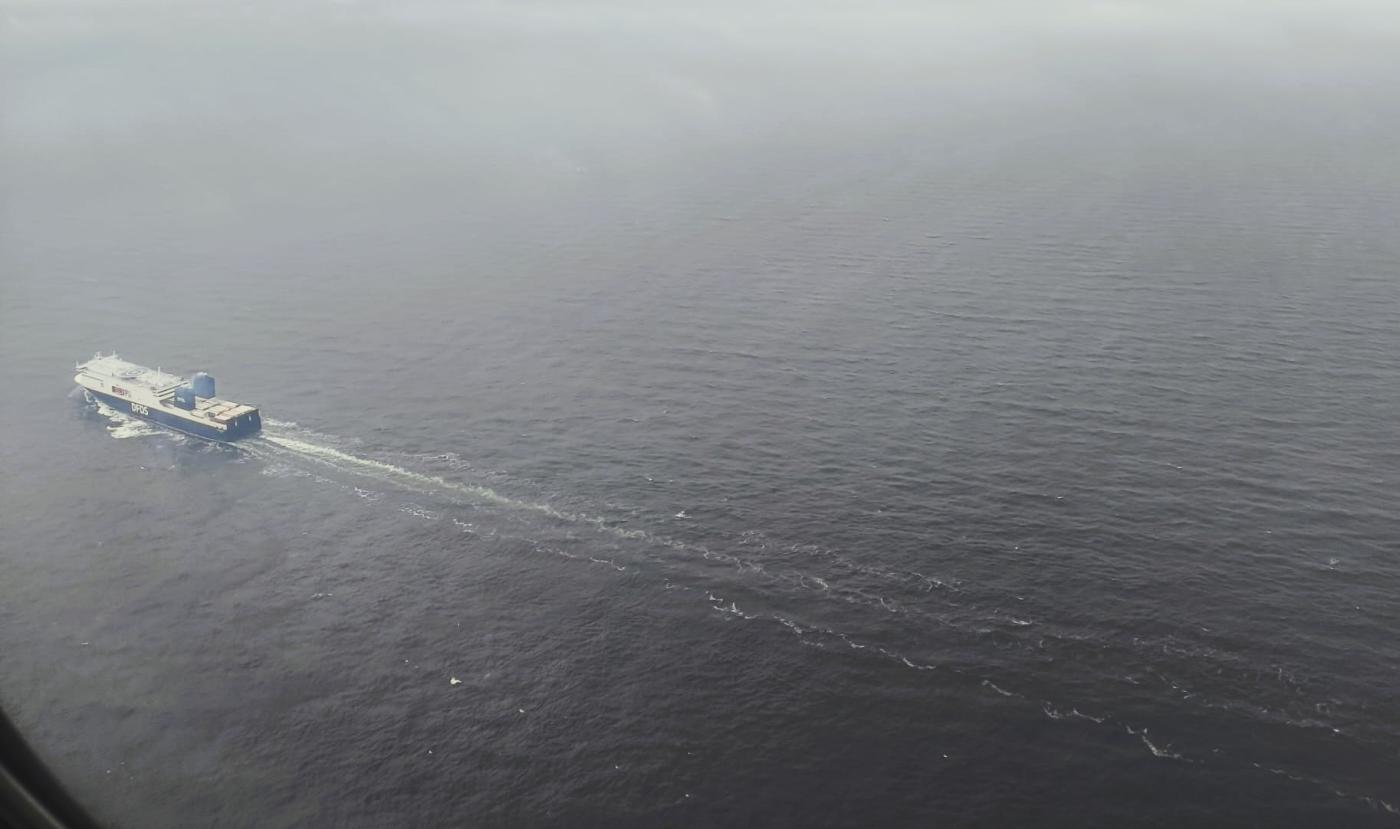
Operationally, the mission involves vessels from the 3rd Ship Flotilla and the 8th Coastal Defence Flotilla, supported by aircraft and helicopters from the Naval Aviation Brigade. These assets conduct patrols, radar observation and hydrographic reconnaissance, while monitoring vessel movements in the vicinity of strategic installations. The combined operations of sea and air forces enable the creation of a Recognised Maritime Picture (RMP) — a comprehensive awareness framework essential for immediate reaction and decision-making.
The operation follows an integrated model, involving cooperation with the Maritime Border Guard, civilian infrastructure operators and allied partners within NATO. Poland’s efforts align with broader alliance initiatives, particularly since NATO’s establishment of the Critical Undersea Infrastructure Coordination Cell in 2023 — a structure dedicated to enhancing the protection of Europe’s vital subsea assets.
New dimensions of maritime security
The Baltic is a shallow and densely networked sea, with cables, pipelines and energy installations stretching across its seabed. This makes it highly vulnerable to sabotage or interference. Any unauthorised interaction with such infrastructure could have consequences extending far beyond national borders, potentially impacting the entire regional energy grid. In this regard, Operation Zatoka is not just a national undertaking — it contributes directly to the collective security and resilience of the Baltic states and the European Union.
A signal of determination
Maintaining the continuous presence of Polish Navy vessels in key Baltic areas is both an operational necessity and a symbolic act. It sends a clear message of readiness and deterrence: Poland is actively safeguarding its waters and infrastructure and will respond decisively to any form of interference.
Operation Zatoka demonstrates that modern maritime security depends on constant vigilance, domain integration and the ability to react in real time. In an era defined by hybrid and non-linear threats, this maritime shield has become one of the essential pillars of Poland’s national resilience and the overall stability of the Baltic region.
Buy us a coffee, and we’ll invest in great maritime journalism! Support Gazeta Morska and help us sail forward – click here!
Kamil Kusier
redaktor naczelny
gallery
comments
Add the first comment
see also
"Let everyone know we will prevail". Poland’s armed forces set strategic course for 2026-2039
“Army 500” and strategic transformation: Poland sets the course for long-term deterrence and allied readiness
Medical evacuation from offshore vessel in the Baltic. Rescue 511 helicopter and m/s Huragan deployed
Karol Nawrocki: “The strength of the republic lies in its armed forces”. Security requires national unity
Human trafficking, money laundering, millions frozen. Successful operation by border guard and tax administration
Evening SAR operation in the Baltic. Two kitesurfers stranded offshore
Medical evacuation from sailing ship in Gdynia port. 17-year-old safely transported
Medical evacuation from Danish-flagged vessel Skoven off Łeba. Joint SAR operation in the Baltic Sea
Almost 2.5 million travellers cleared in 2025 by the Maritime Border Guard
Frontex officers train with Polish Maritime Border Guard
ADVERTISEMENT
ADVERTISEMENT