NATO Summit in The Hague: Strategic Defence Commitments with Maritime and Industrial Implications
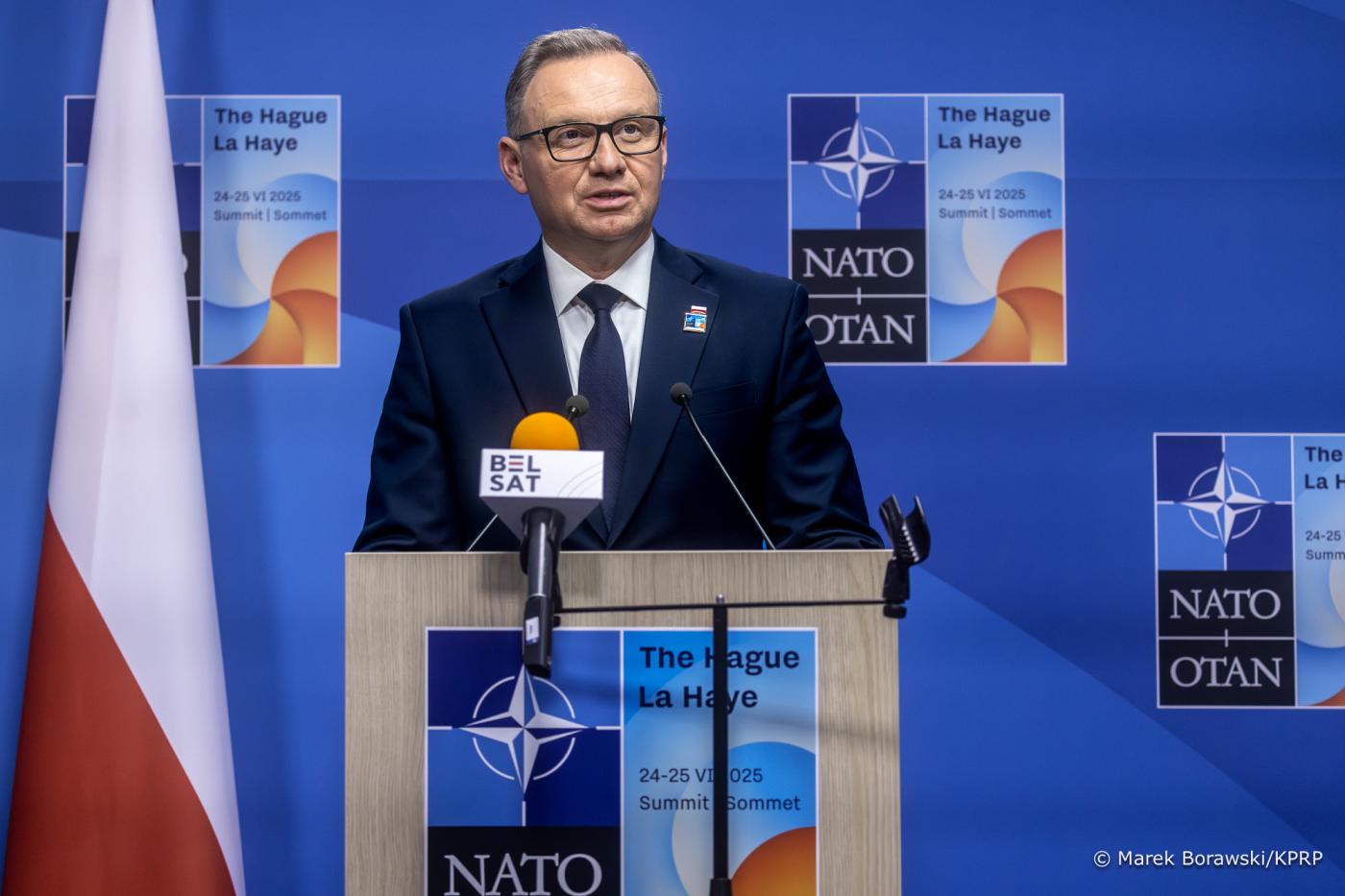
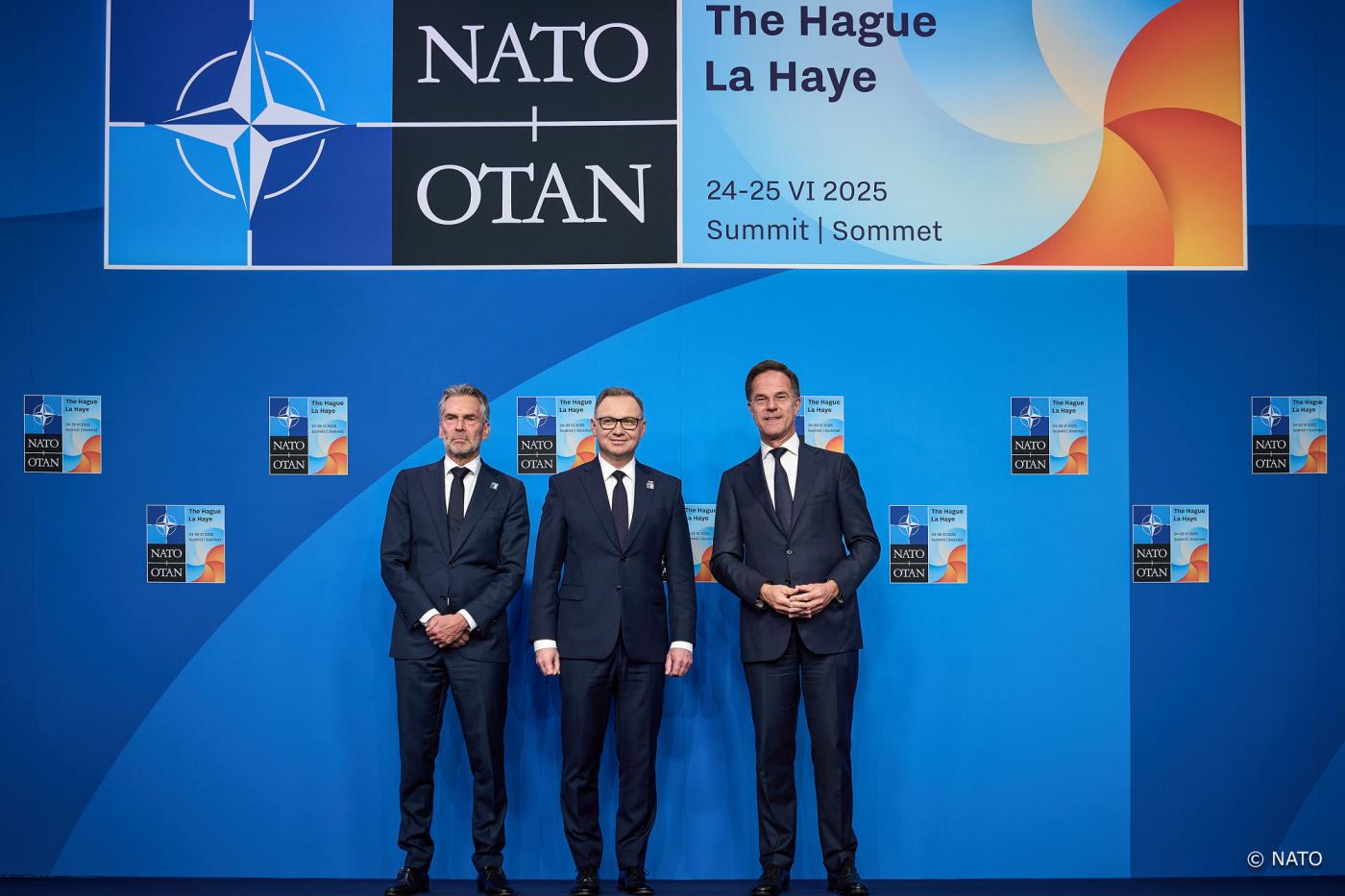
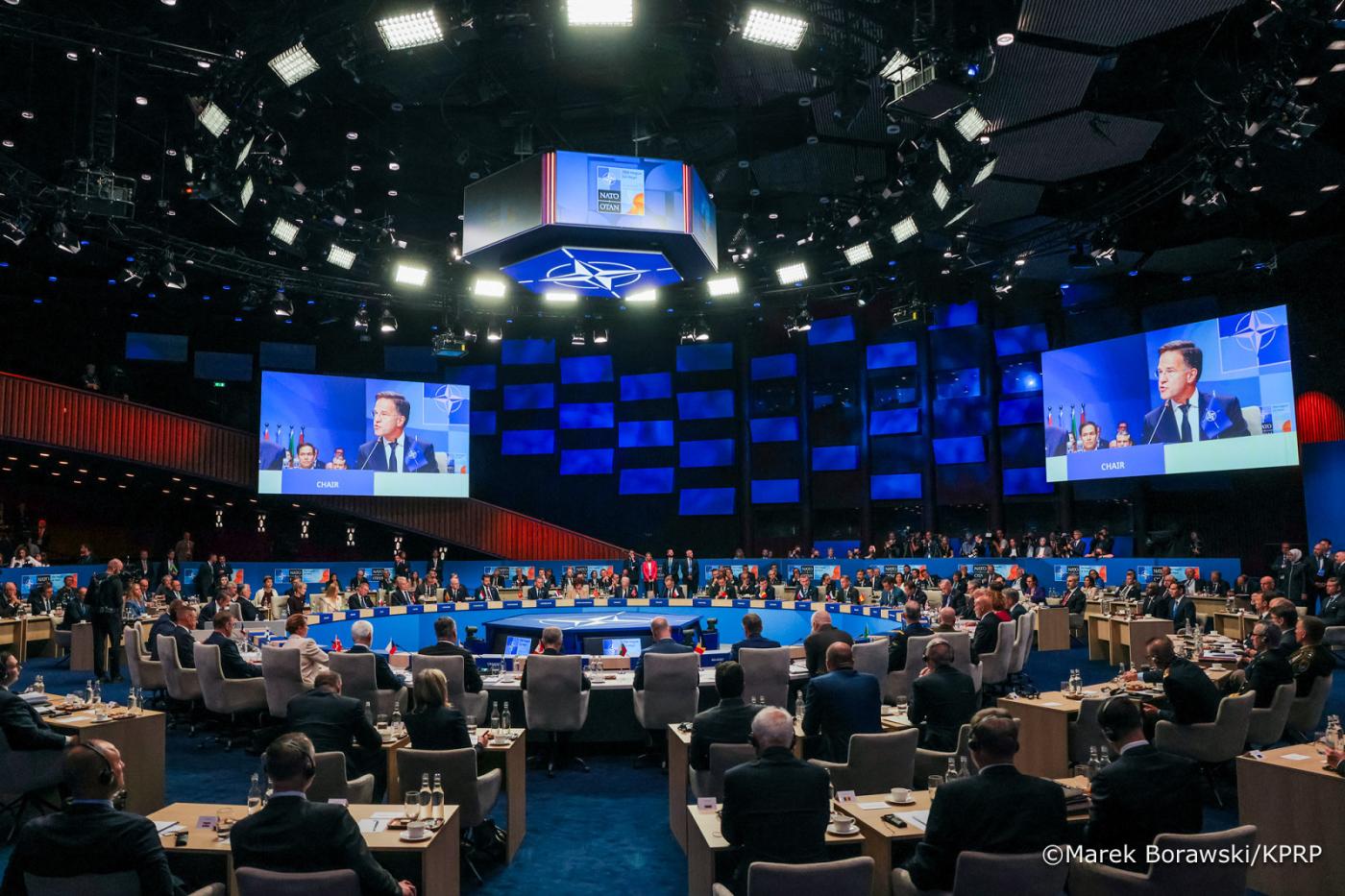
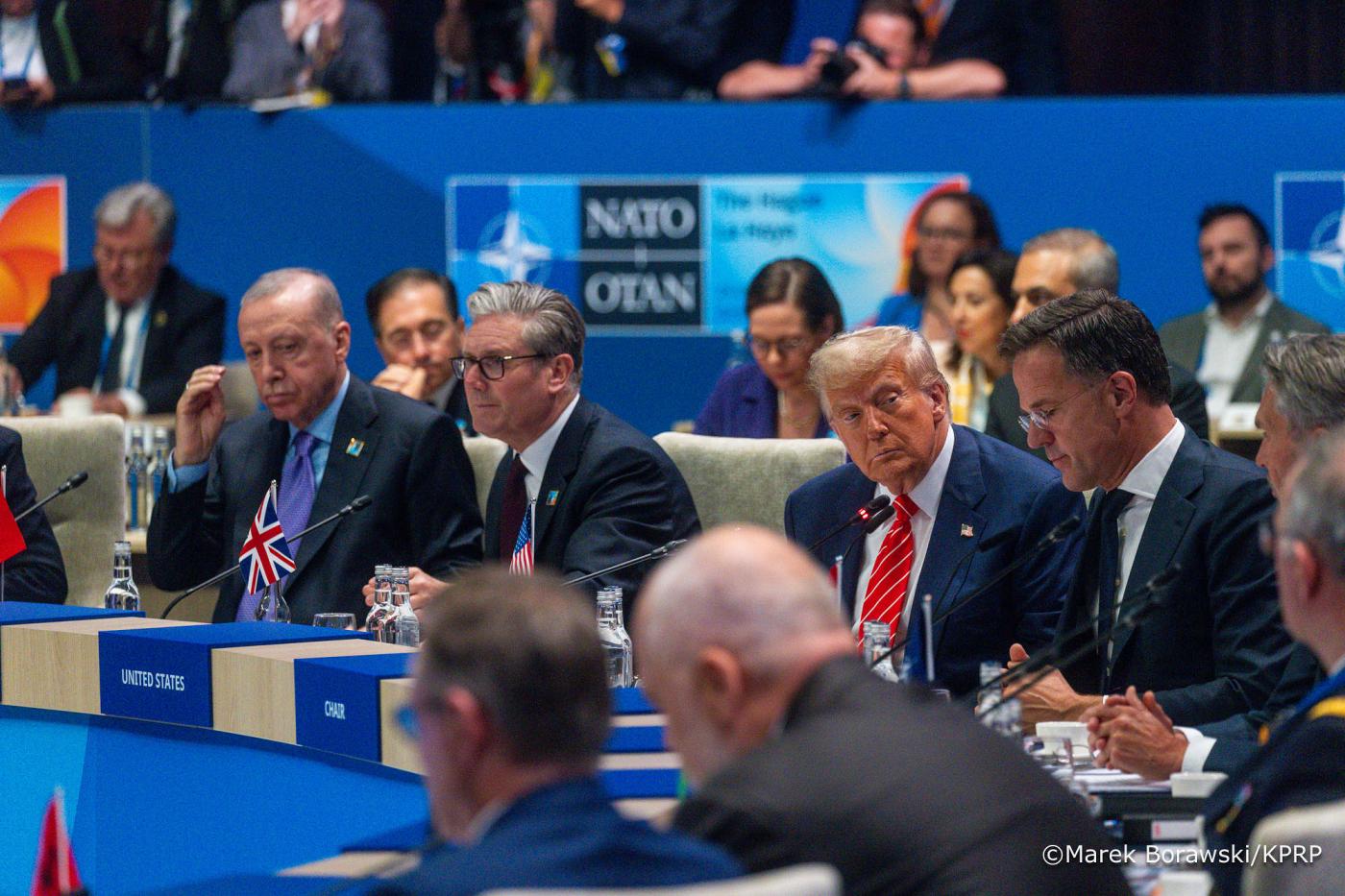
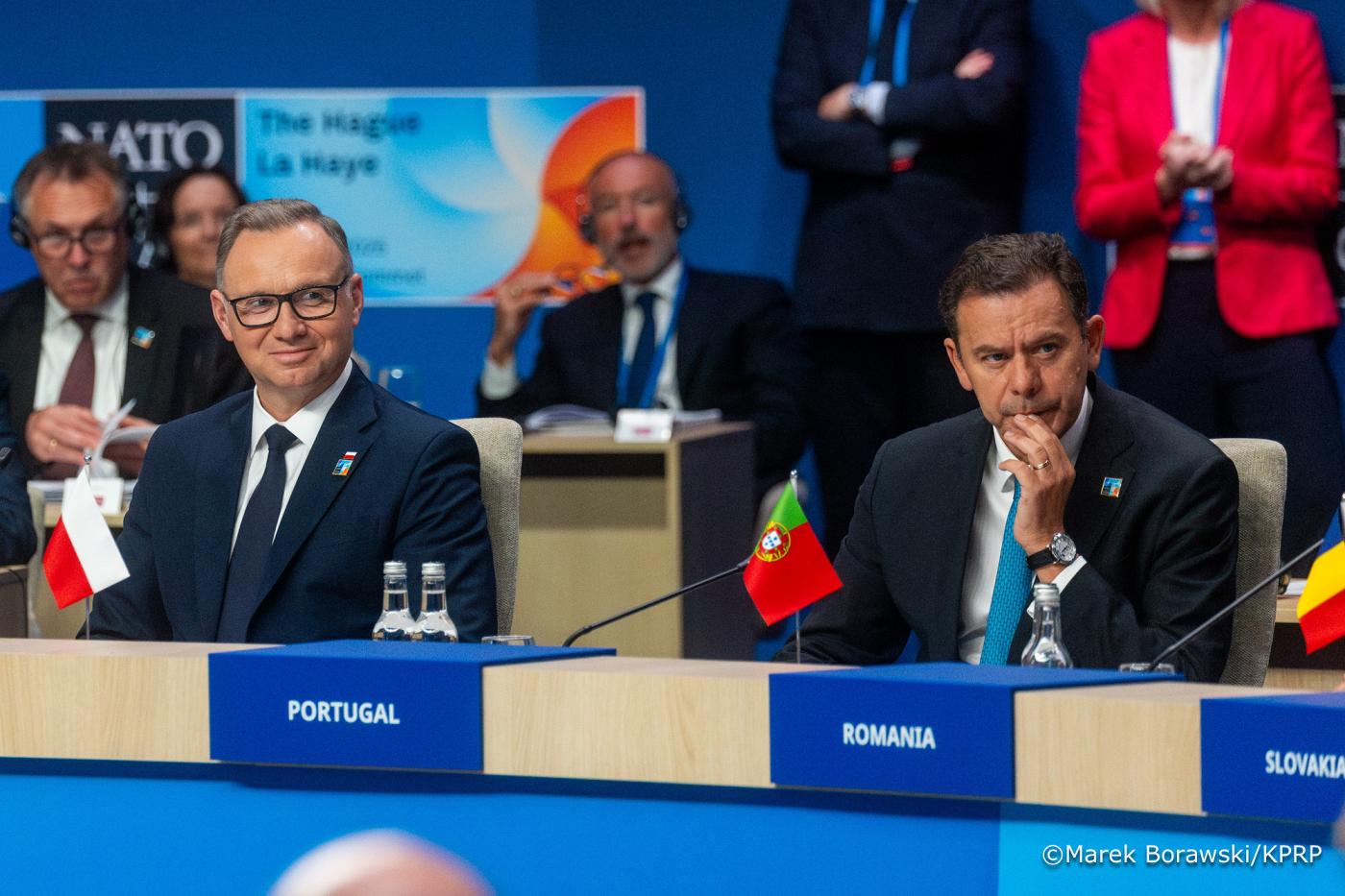
On June 24–25, 2025, NATO heads of state and government gathered in The Hague for a high-level summit that brought forward groundbreaking decisions concerning defence expenditure, military mobility, and industrial resilience. The Polish delegation was led by President Andrzej Duda and included Deputy Prime Minister and Minister of Defence Władysław Kosiniak-Kamysz, as well as Foreign Minister Radosław Sikorski.
security worldwide nato politics news25 june 2025 | 20:21 | Source: Gazeta Morska | Prepared by: Kamil Kusier | Print

fot. Marek Borawski / KPRP
The summit’s overarching theme was the collective strengthening of NATO’s deterrence and defence posture amid growing geopolitical tension, with particular emphasis on logistics, mobility, infrastructure, and industrial capabilities—topics of immediate relevance to the maritime and transport sectors.
Defence Spending Raised to 5% GDP – A Strategic Shift with Maritime Consequences
The most historic decision of the summit was the adoption of a new target for defence expenditure: 5% of GDP, to be met by NATO members in the coming years. This includes 3.5% for hard military capabilities, and 1.5% earmarked for defence-related infrastructure, logistics bases, and cyber defence.
This decision will have a direct impact on the maritime sector, including enhanced investment in military port infrastructure, naval logistics terminals, and multimodal transport corridors across key NATO entry points. Poland’s strategic ports—Gdynia, Gdańsk, and Świnoujście—are expected to play a growing role in supporting the Alliance’s military mobility objectives.
Military Mobility and Infrastructure Expansion on the Eastern Flank
Deputy PM Kosiniak-Kamysz underlined that NATO’s current focus is on improving the Alliance’s ability to move troops and equipment efficiently, which requires heavy investment in road, rail, air, and sea infrastructure. Military mobility is increasingly linked to civilian-military dual-use port capabilities, especially in the context of reinforcing NATO’s Eastern flank.
Poland, now the third-largest army in NATO with over 200,000 troops, is preparing to host division-level multinational exercises, with confirmed participation from the United States, Turkey, Slovakia, Finland, and Canada. These exercises will rely heavily on strategic transport nodes, including seaports, for troop and equipment deployment.
Airspace Security and Baltic Protection with Allied Support
Poland has secured continued deployment of German Patriot missile systems at Jasionka Air Base through the end of 2025. Additionally, Norway will deploy F-35 jets to patrol Polish airspace, and Australia will station an early-warning AWACS aircraft in Poland. These actions reflect growing concern over unauthorised airspace incursions in the Baltic region, home to critical infrastructure such as offshore wind farms, undersea cables, and LNG terminals.
NATO–Ukraine Cooperation and Defence Industrial Base Strengthening
Foreign Minister Sikorski took part in a meeting of the NATO–Ukraine Council alongside EU High Representative Kaja Kallas and Ukraine’s Foreign Minister Andriy Sybiha. Poland advocated for enhanced operational use of the NATO–Ukraine Joint Training and Support Centre based in Bydgoszcz and called for increased protection of NATO’s logistics hubs in Poland that support Ukraine.
In parallel, Poland signed a Letter of Intent to boost stockpiles of critical raw materials for defence production, an issue that will likely require maritime shipping solutions to ensure resilient transatlantic supply chains.
European Defence Industry Boost – Polish Presidency Delivers Results
One of the key outcomes of Poland’s EU presidency was securing €150 billion for Europe’s first joint armament programme, with the aim of strengthening the continent’s defence industrial base. This funding is expected to support shipyards, marine engineering firms, and logistics operators involved in defence procurement and maintenance activities.
Maritime Sector as a Strategic Backbone of NATO Readiness
The NATO summit reaffirmed that the maritime industry is a critical enabler of Alliance readiness. Investment in military logistics, port infrastructure, and naval mobility is no longer a secondary issue but a strategic necessity. As NATO’s posture evolves, so too will opportunities for public-private cooperation, especially in Poland and other frontline states hosting key infrastructure.
With Poland now recognised as a regional military leader and logistics hub, the maritime sector is expected to see increased capital flows, joint procurement programmes, and international defence partnerships—all contributing to the broader objective of securing Europe’s eastern seaboard and enhancing NATO's global operational reach.
see also
Buy us a coffee, and we’ll invest in great maritime journalism! Support Gazeta Morska and help us sail forward – click here!
Kamil Kusier
redaktor naczelny
gallery

comments
Add the first comment
see also
"Let everyone know we will prevail". Poland’s armed forces set strategic course for 2026-2039
“Army 500” and strategic transformation: Poland sets the course for long-term deterrence and allied readiness
Medical evacuation from offshore vessel in the Baltic. Rescue 511 helicopter and m/s Huragan deployed
Karol Nawrocki: “The strength of the republic lies in its armed forces”. Security requires national unity
Human trafficking, money laundering, millions frozen. Successful operation by border guard and tax administration
Evening SAR operation in the Baltic. Two kitesurfers stranded offshore
Medical evacuation from sailing ship in Gdynia port. 17-year-old safely transported
Medical evacuation from Danish-flagged vessel Skoven off Łeba. Joint SAR operation in the Baltic Sea
Almost 2.5 million travellers cleared in 2025 by the Maritime Border Guard
Frontex officers train with Polish Maritime Border Guard
ADVERTISEMENT
ADVERTISEMENT