Minutes from tragedy in Łeba. Children nearly drowned in the Baltic - red flag ignored
The start of the week at the Baltic coast nearly ended in disaster. A group of five summer camp children, aged 11–13, along with their supervisor, ended up 100 meters from the shore on an unguarded beach. Strong rip currents, high waves, and a strict swimming ban – red flags had been flying since morning. Despite this, the children entered the water, accompanied by their supervisor.
security pomerania maritime rescue marine tourism and recreation news wopr19 august 2025 | 20:38 | Source: Gazeta Morska | Prepared by: Kamil Kusier | Print
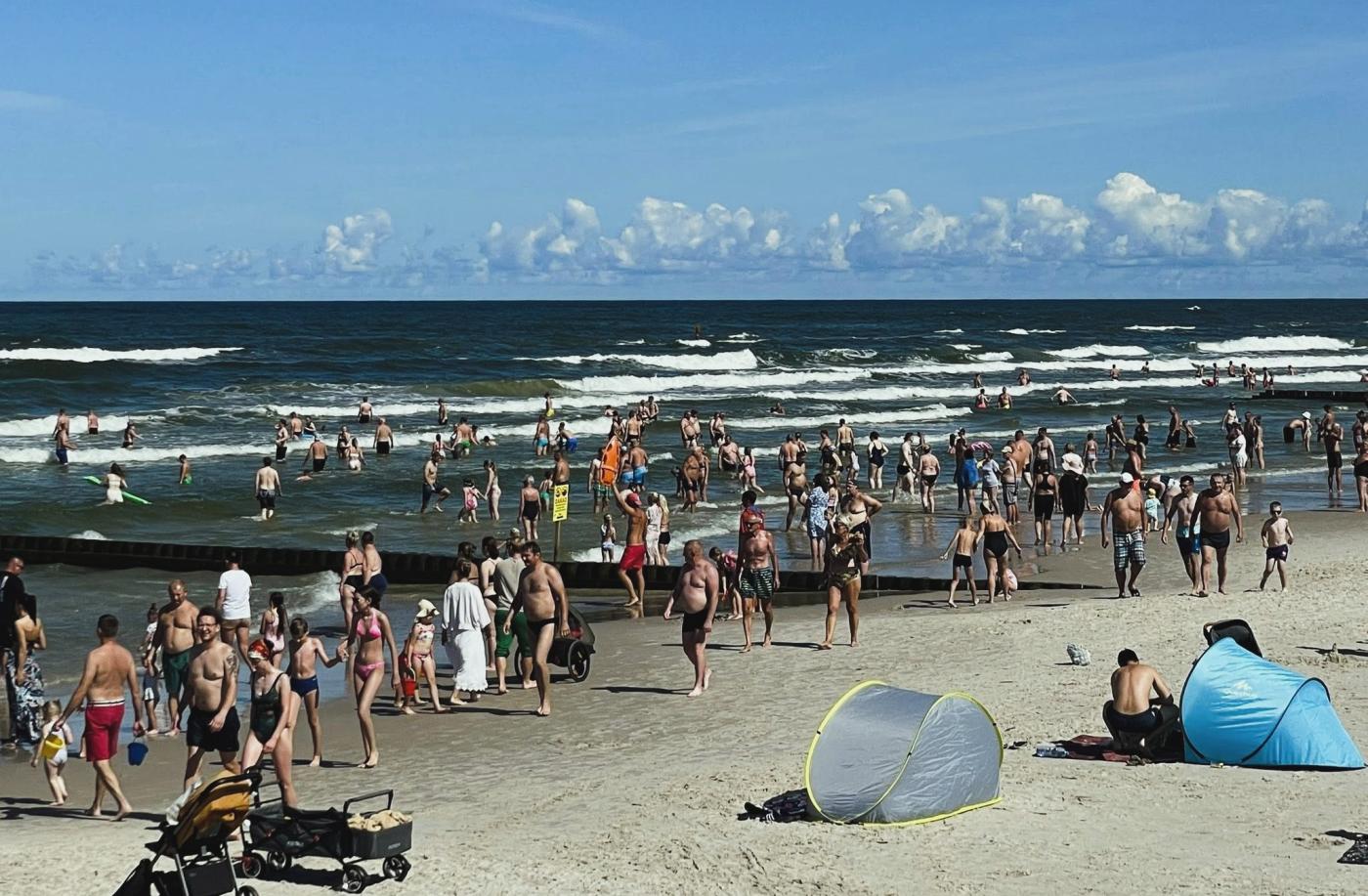
fot. Gniewińskie WOPR
A WOPR lifeguard patrol, patrolling the unguarded beach on foot, spotted six people struggling for their lives. Every minute counted. Additional rescuers arrived – on quads and a jet ski. Thanks to their swift response, all victims were pulled from the water. All were conscious, but two children required medical intervention, and one girl was taken to hospital. The supervisor and the camp director were handed over to the police.
- We are aware that, given the greatest tragedy in the history of children’s seaside recreation, these kids were saved by sheer luck – the presence of a lifeguard patrol at the right place and time on an unguarded beach, the Gniewino WOPR team said.
Responsibility matters – never ignore a red flag!
This incident is a stark reminder: ignoring the red flag and safety rules is not bravery – it is playing with life, especially when children are involved. The camp supervisors not only put themselves at risk but, most importantly, the children entrusted to them. This is a clear violation of basic responsibility.
The sea is a powerful force, not a hotel pool. Even experienced swimmers have little chance against strong rip currents. Lifeguards repeat this daily, yet we still see adults and children entering the water despite red flags, on unguarded beaches, in defiance of regulations.
A challenging summer for Baltic lifeguards
On that day, lifeguards conducted five separate rescue operations in Łeba – all related to swimming in prohibited areas. Such behavior not only puts swimmers at extreme risk but also heavily burdens rescuers, who must choose between protecting those who follow the rules and saving those who ignore them.
WOPR lifeguards, MSPiR teams, the Air Rescue Service, Naval Aviation, firefighters, police, and volunteers – every day, they stand on the front line between recklessness and tragedy. Thanks to their work, thousands of tourists return home safely.
Every camp supervisor, parent, or adult beachgoer must understand one thing: a red flag is not a suggestion. It is a warning – entering the water could be fatal.
This time, the children were saved thanks to luck and the professionalism of lifeguards. But luck cannot be a safety strategy on Polish beaches.
Buy us a coffee, and we’ll invest in great maritime journalism! Support Gazeta Morska and help us sail forward – click here!
Kamil Kusier
redaktor naczelny
comments
Add the first comment
see also
"Let everyone know we will prevail". Poland’s armed forces set strategic course for 2026-2039
“Army 500” and strategic transformation: Poland sets the course for long-term deterrence and allied readiness
Medical evacuation from offshore vessel in the Baltic. Rescue 511 helicopter and m/s Huragan deployed
Karol Nawrocki: “The strength of the republic lies in its armed forces”. Security requires national unity
Human trafficking, money laundering, millions frozen. Successful operation by border guard and tax administration
Evening SAR operation in the Baltic. Two kitesurfers stranded offshore
Medical evacuation from sailing ship in Gdynia port. 17-year-old safely transported
Medical evacuation from Danish-flagged vessel Skoven off Łeba. Joint SAR operation in the Baltic Sea
Almost 2.5 million travellers cleared in 2025 by the Maritime Border Guard
Frontex officers train with Polish Maritime Border Guard
ADVERTISEMENT
ADVERTISEMENT