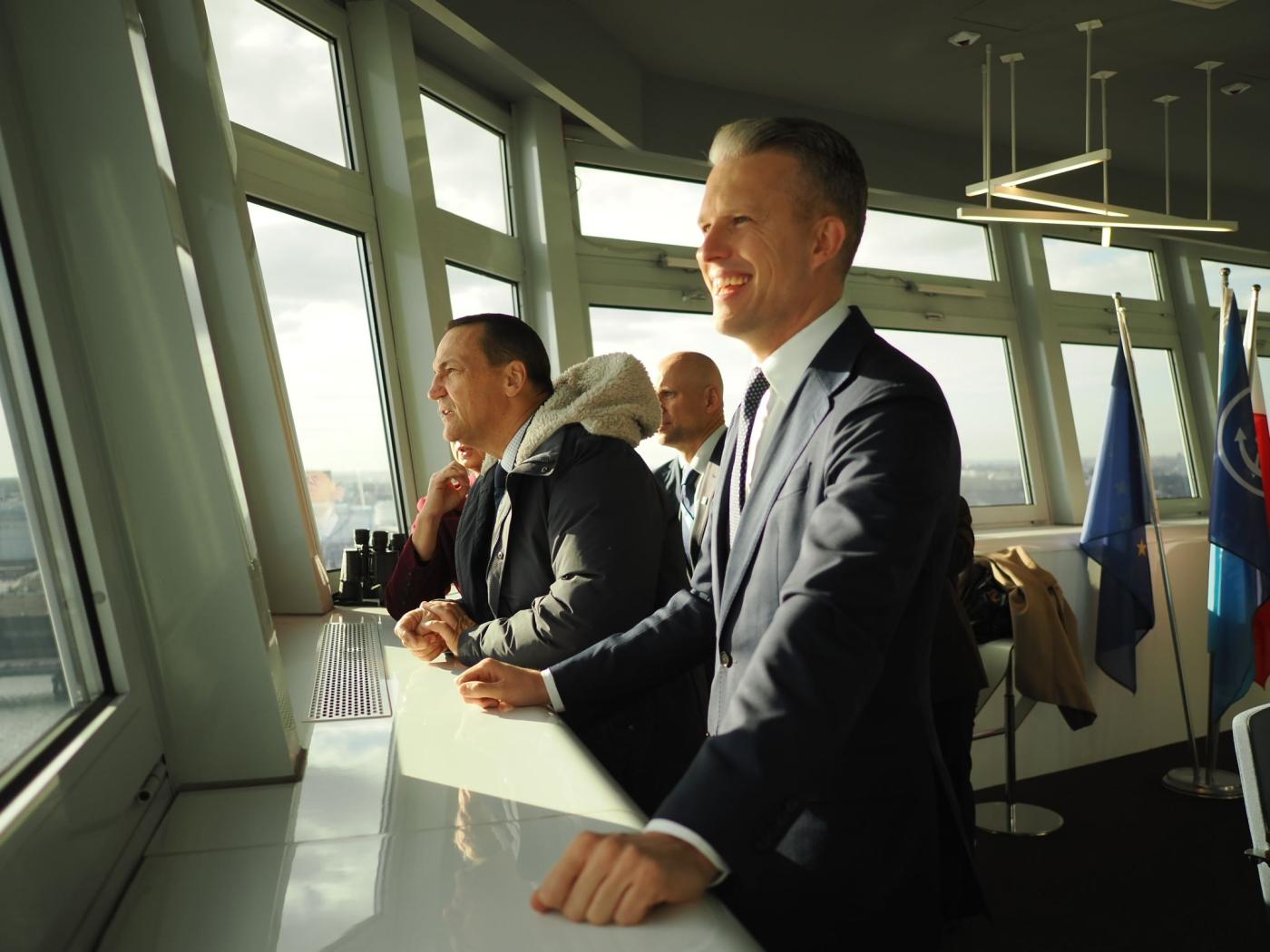
Baltic Sea as a key area for economic growth and security. Deputy PM visits Port of Gdańsk
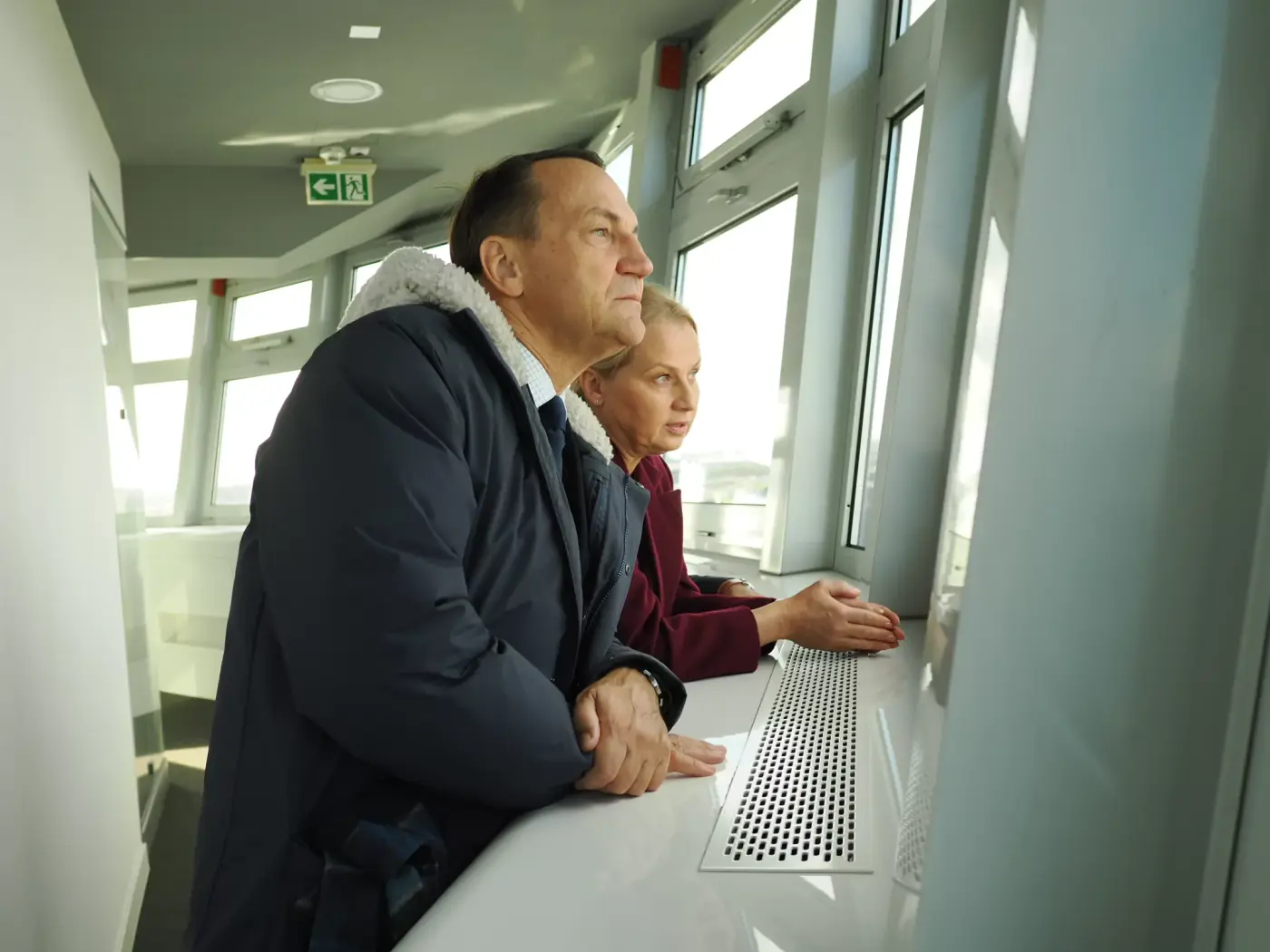
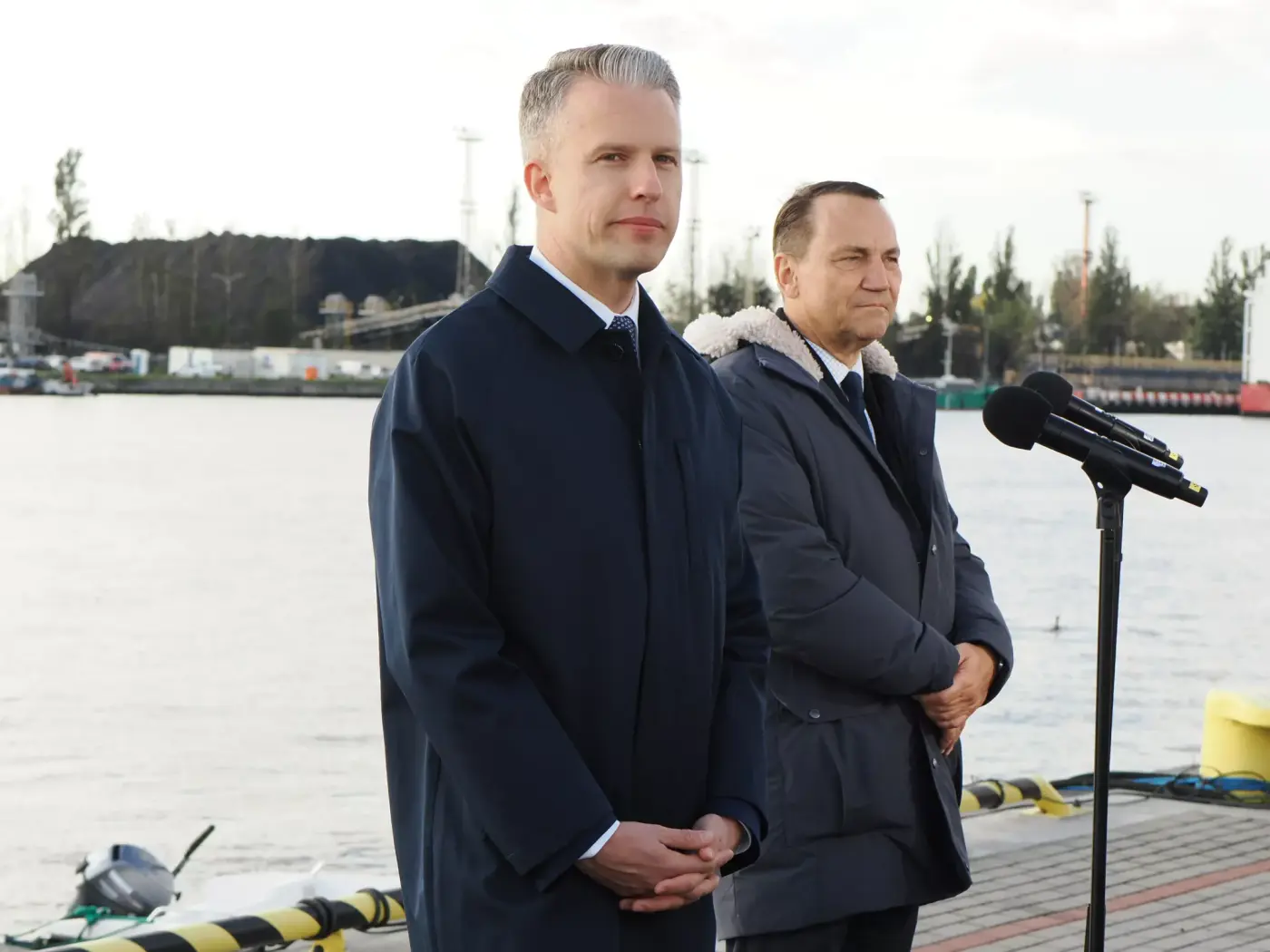
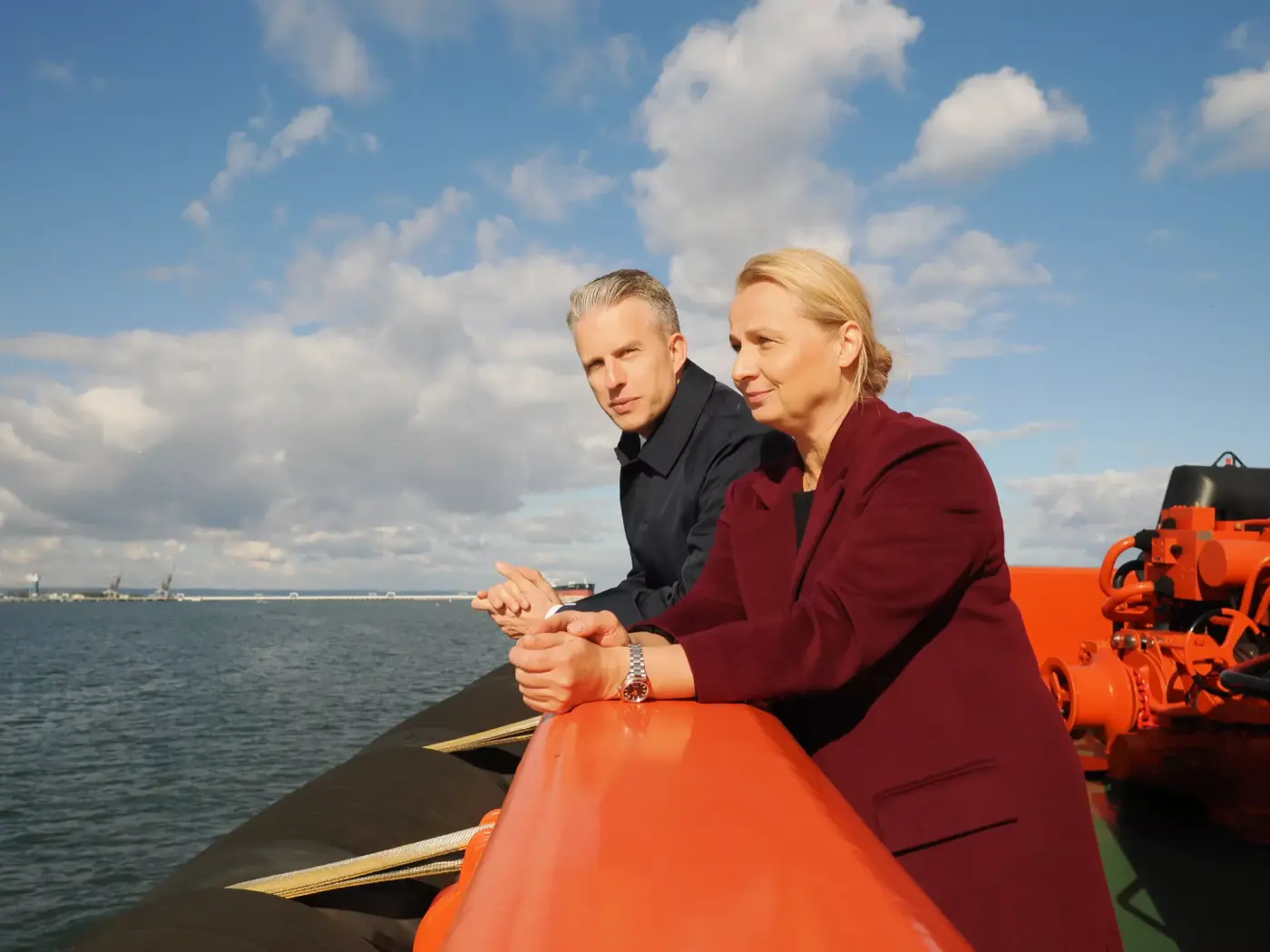
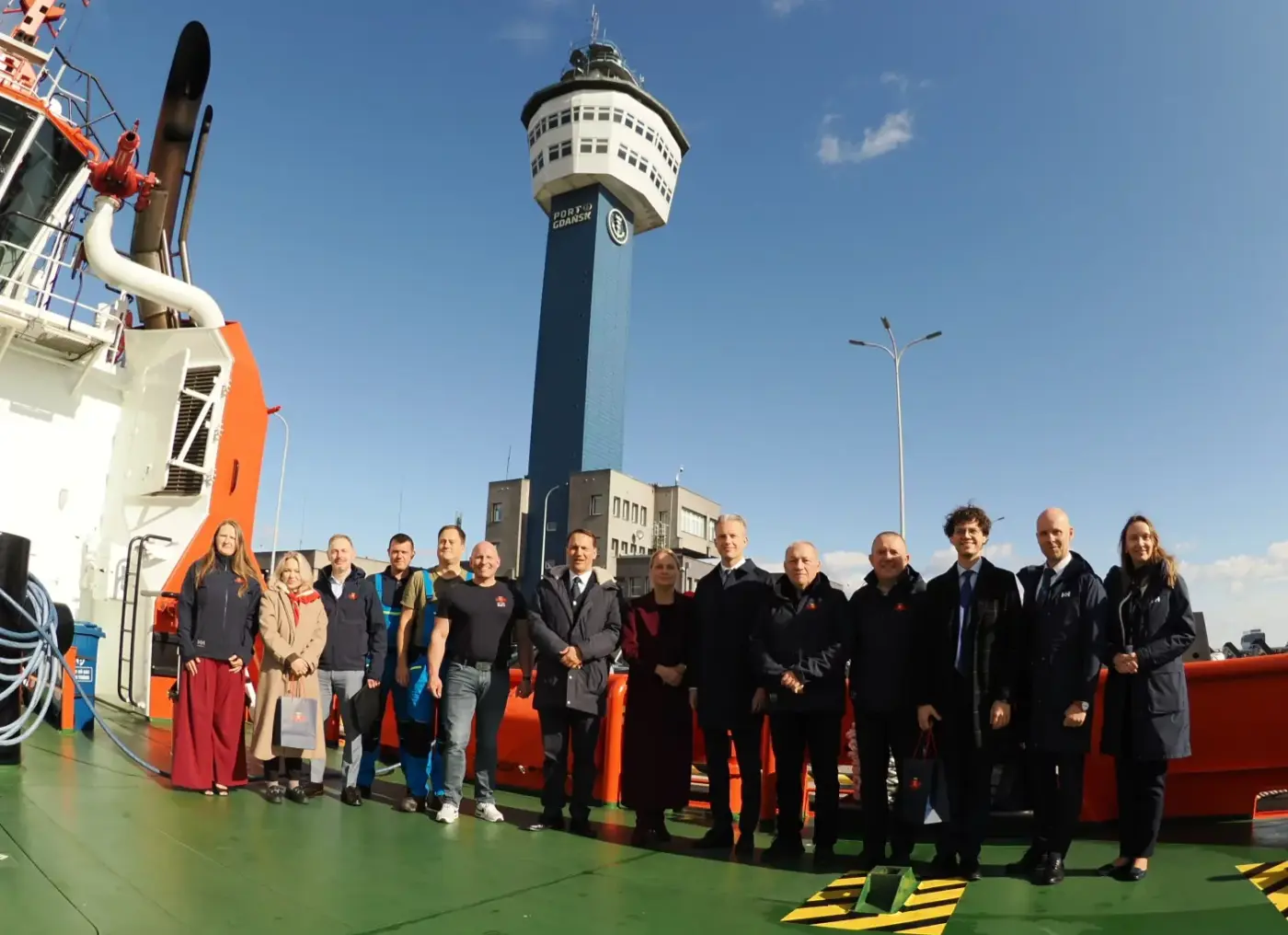
The Port of Gdańsk was at the center of political and economic attention as Poland’s Deputy Prime Minister and Minister of Foreign Affairs, Radosław Sikorski, emphasized the Baltic Sea’s strategic role in both national prosperity and security.
security business maritime economy politics pomerania ports tricity news02 october 2025 | 13:49 | Source: Gazeta Morska | Prepared by: Kamil Kusier | Print

fot. Port Gdańsk
- I am deeply impressed by the port’s dynamic growth and ambitious investment plans. The Baltic Sea is not only vital for economic development but also for ensuring the security of Poland and the Alliance, Radosław Sikorski stated.
Critical infrastructure under pressure
Highlighting the growing vulnerability of Europe’s critical infrastructure, Sikorski pointed to recent incidents of underwater cable disruptions and pipeline attacks, as well as the presence of Russia’s so-called “shadow fleet,” which continues to finance the war in Ukraine.
Against this backdrop, Polish ports play a strategic dual role: providing logistics for Ukraine while ensuring stable supplies of energy resources – oil, gas, and coal – to Poland.
- The success of our port industry drives nationwide growth, enabling Poland to rank today among the world’s top 20 economies, he noted.
Record investment in the maritime sector
At the conference, Deputy Infrastructure Minister Arkadiusz Marchewka announced that the 2025 state budget allocates PLN 2.4 billion to maritime investments – over PLN 400 million more than the previous year.
Current flagship projects at Port of Gdańsk include:
- construction of an offshore wind installation terminal, from which vessels will soon deliver massive components for PGE’s offshore wind farm in the Baltic,
- development of a floating LNG terminal (FSRU) on the Gulf of Gdańsk by Gaz-System,
- launch of a new grain terminal, boosting handling capacity by nearly 1 million tons by the end of 2025, with further expansion phases planned through 2027–2028.
Notably, the new grain terminal will be fully state-owned, operated by a subsidiary of the Port of Gdańsk Authority.
Cargo records and growth prospects
Polish seaports achieved record performance in 2024, with container throughput exceeding 3.27 million TEU, a 9% year-on-year increase.
The opening of the Baltic Hub T3 terminal is expected to accelerate further growth in the coming years.
Combined with expanding cargo infrastructure, new energy facilities, and offshore wind projects, these investments reinforce Gdańsk’s position as a strategic logistics hub of the Baltic Sea and a cornerstone of both economic and energy security for Poland and the region.
Buy us a coffee, and we’ll invest in great maritime journalism! Support Gazeta Morska and help us sail forward – click here!
Kamil Kusier
redaktor naczelny
gallery


comments
Add the first comment
see also
"Let everyone know we will prevail". Poland’s armed forces set strategic course for 2026-2039
“Army 500” and strategic transformation: Poland sets the course for long-term deterrence and allied readiness
Medical evacuation from offshore vessel in the Baltic. Rescue 511 helicopter and m/s Huragan deployed
Karol Nawrocki: “The strength of the republic lies in its armed forces”. Security requires national unity
Human trafficking, money laundering, millions frozen. Successful operation by border guard and tax administration
Evening SAR operation in the Baltic. Two kitesurfers stranded offshore
Medical evacuation from sailing ship in Gdynia port. 17-year-old safely transported
Medical evacuation from Danish-flagged vessel Skoven off Łeba. Joint SAR operation in the Baltic Sea
Almost 2.5 million travellers cleared in 2025 by the Maritime Border Guard
Frontex officers train with Polish Maritime Border Guard
ADVERTISEMENT
ADVERTISEMENT