Australia strengthens nuclear submarine expertise as USS Vermont arrives at HMAS Stirling
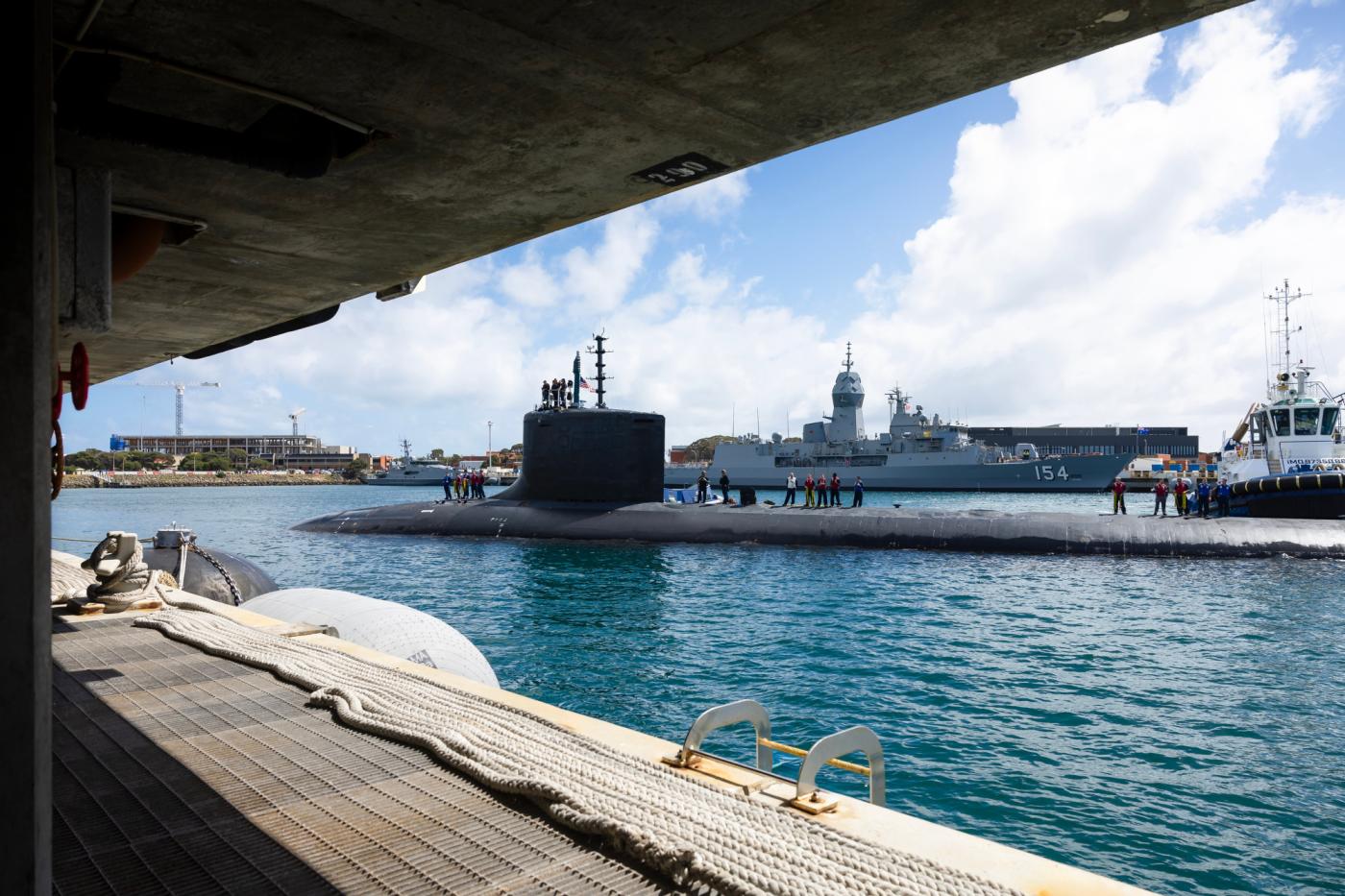
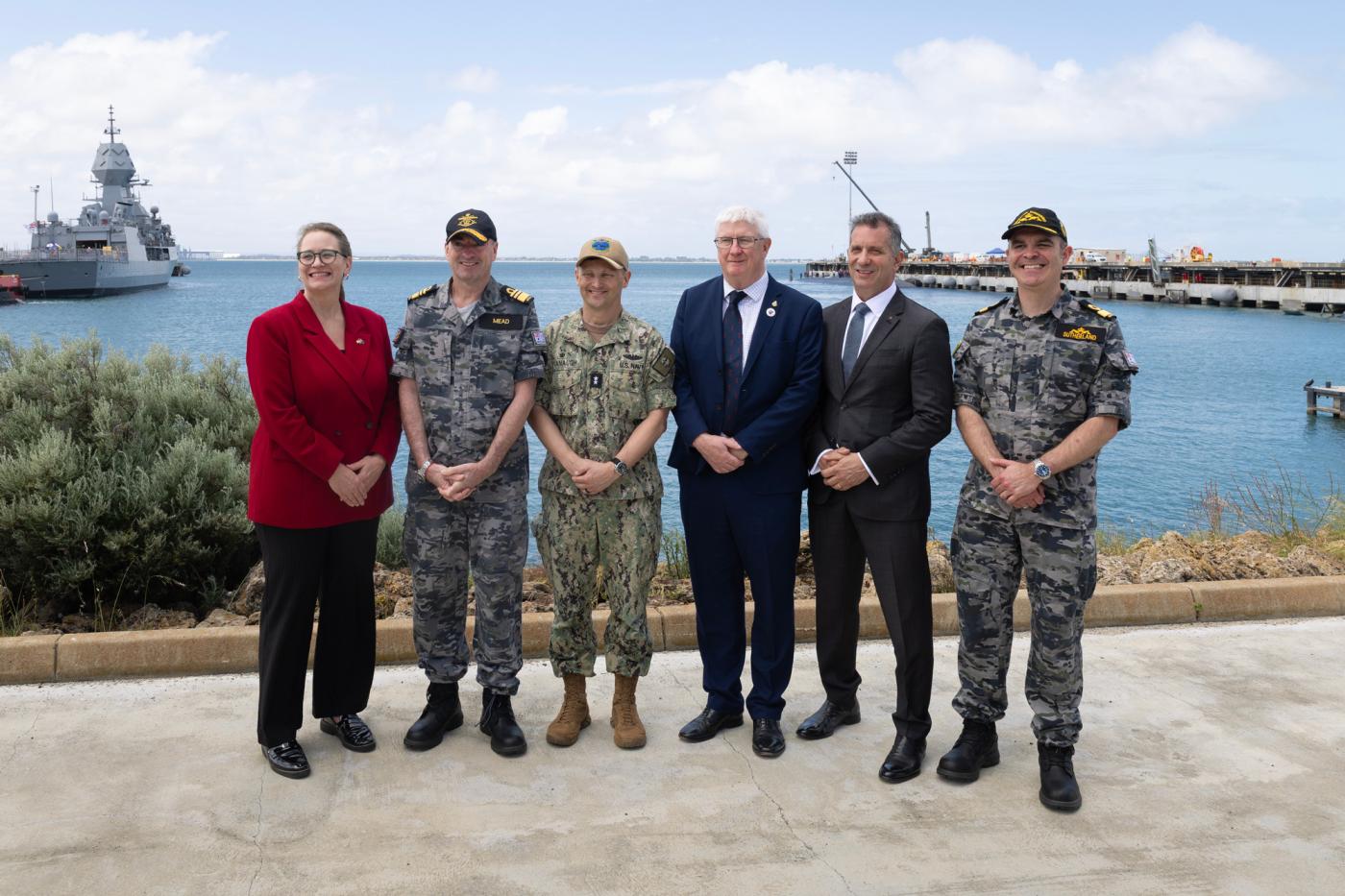
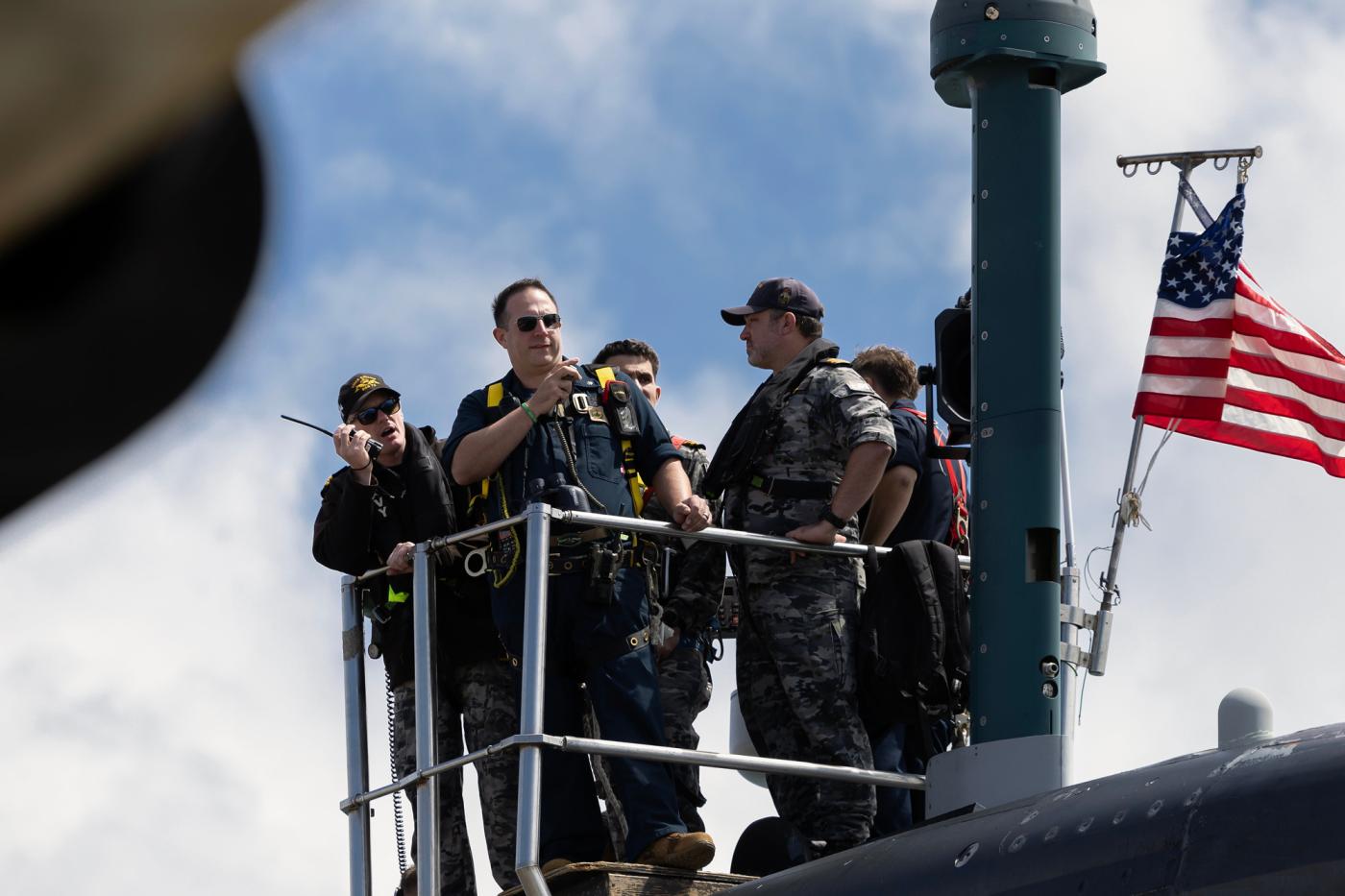
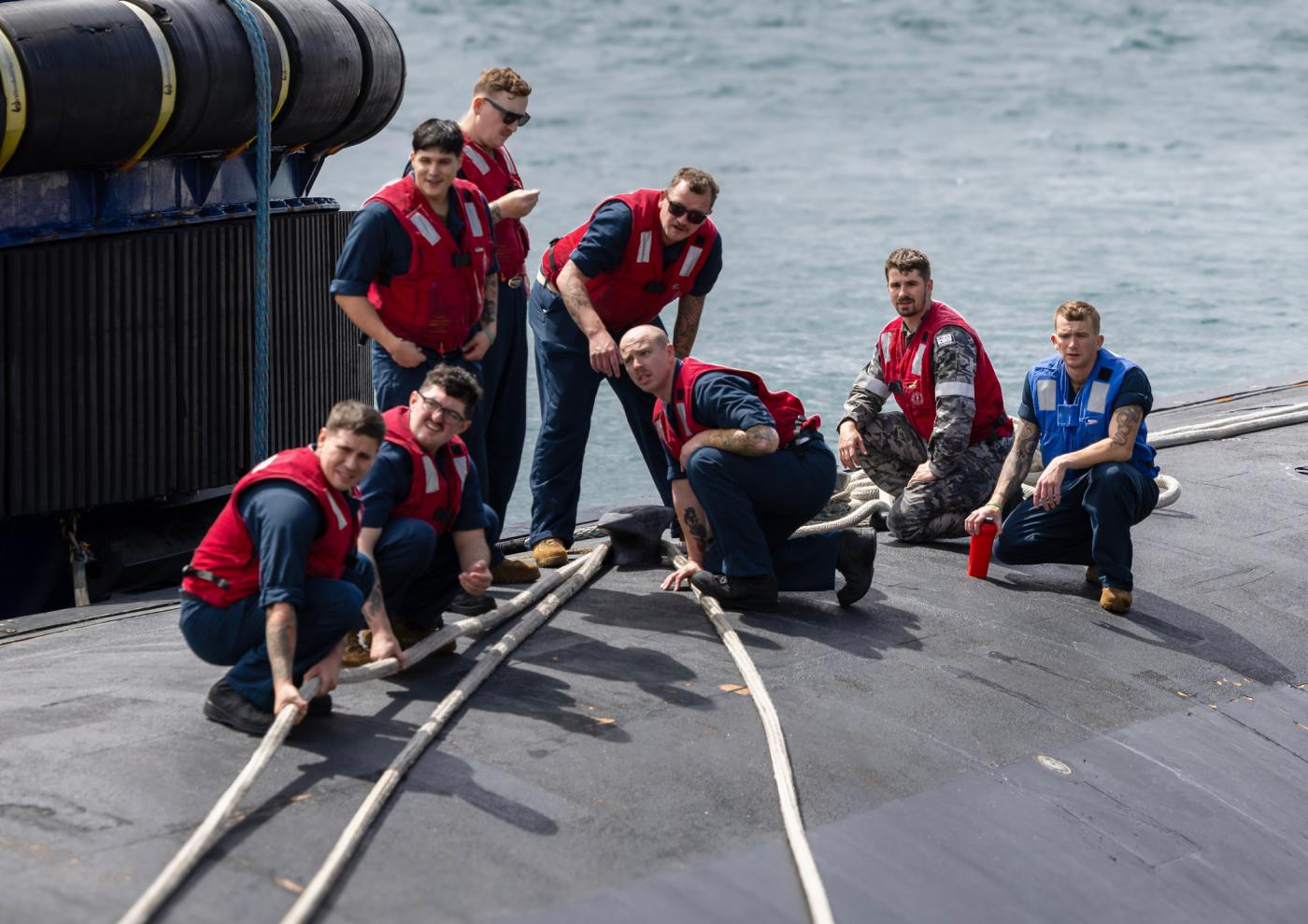
Australia has taken another decisive step toward achieving a sovereign capability to operate and maintain conventionally armed, nuclear-powered submarines. The arrival of USS Vermont (SSN 792), a U.S. Navy Virginia-class submarine, at HMAS Stirling marks the start of a complex submarine maintenance period (SMP) — a key milestone under the trilateral AUKUS partnership.
security investments navy worldwide news29 october 2025 | 09:13 | Source: Gazeta Morska | Prepared by: Kamil Kusier | Print
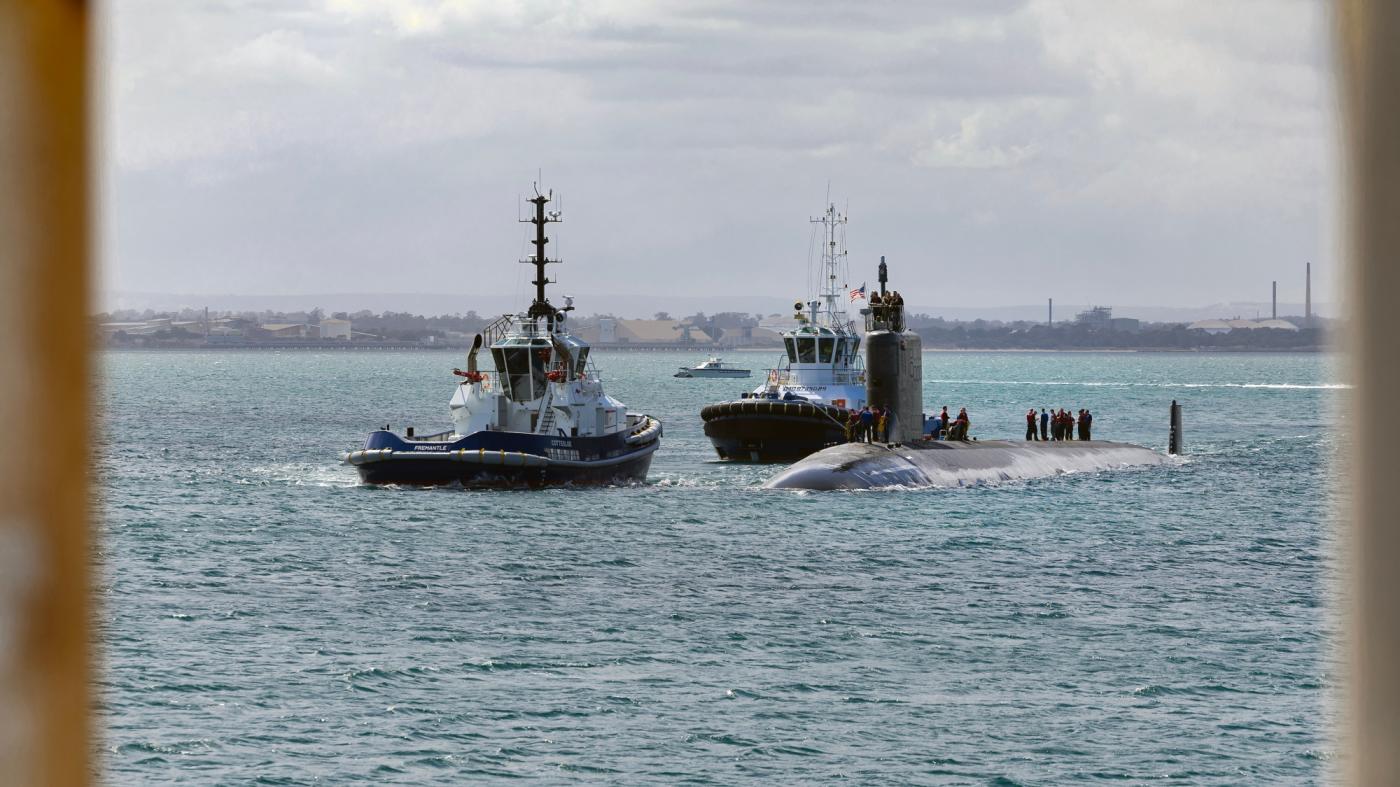
fot. ABIS Jaxsen Shinners
Expanding technical scope and responsibility
This year’s SMP represents a significant expansion in both scope and complexity compared to the 2024 maintenance activity, which was the first-ever servicing of a U.S. nuclear-powered submarine conducted on Australian soil.
Unlike the previous iteration, the 2025 SMP is being carried out without a tender ship, placing greater responsibility directly on Australian navy and industry personnel to execute intricate maintenance tasks on site.
The work is supported by ASC Pty Ltd, which is providing critical infrastructure and operational services — including pier-side temporary utilities and scaffolding support — essential to sustaining the expanded maintenance package.
Training, integration and knowledge transfer
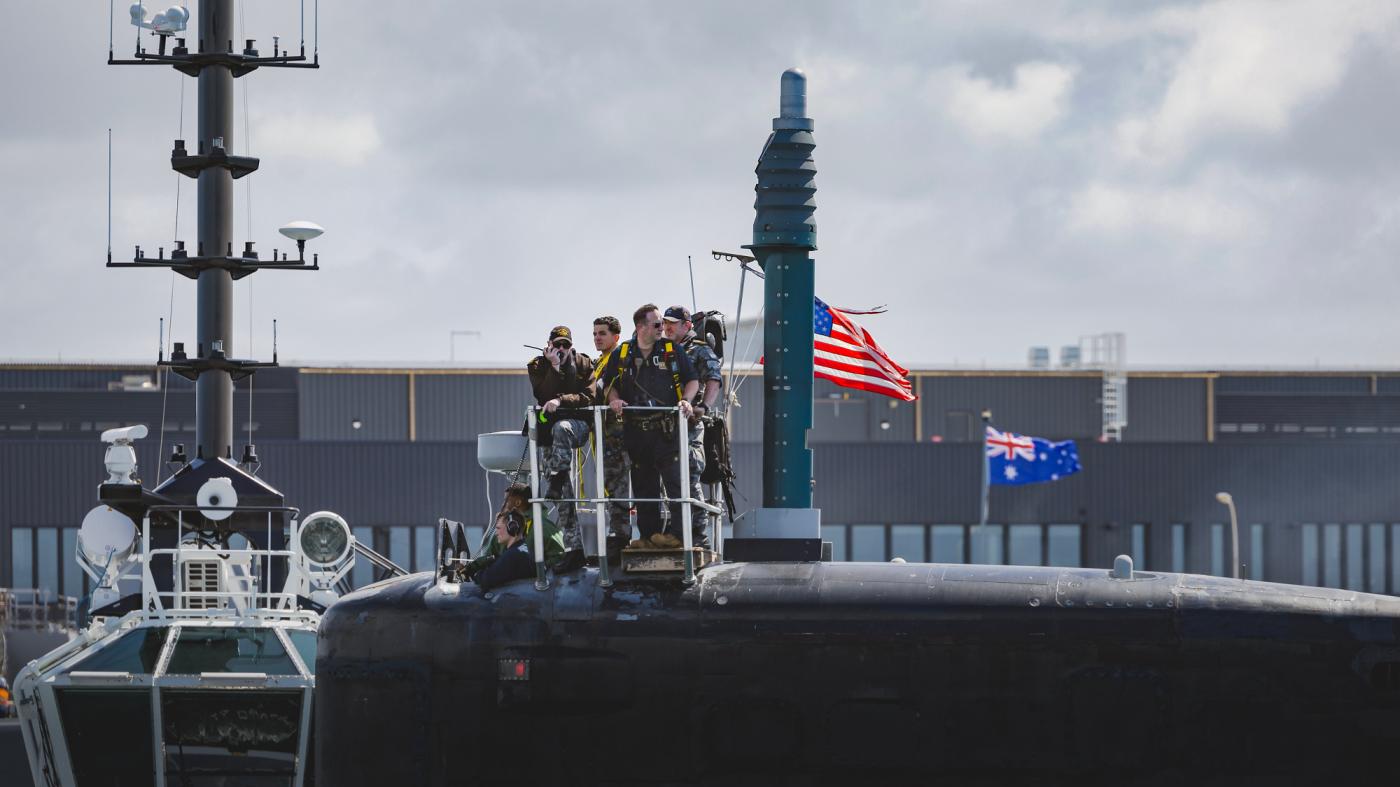
Thirteen Royal Australian Navy (RAN) officers and sailors, who have completed extensive nuclear submarine training in the United States, are now serving as part of USS Vermont’s 134-strong crew.
In parallel, 19 ASC technicians, along with representatives from Raytheon and Thales, recently returned from advanced training at the Pearl Harbor Naval Shipyard and Intermediate Maintenance Facility (PHNSY & IMF) to apply their new skills during the SMP.
A further 22 RAN Fleet Support Unit personnel and eight clearance divers who trained at PHNSY & IMF earlier this year are now embedded with U.S. Navy teams at HMAS Stirling, contributing directly to hands-on maintenance and inspection activities.
According to the Australian Submarine Agency (ASA), this phase of work forms part of a broader capability development roadmap leading to initial operational support (IOS) in 2027, when the submarine rotational force – west (SRF-West) becomes operational at HMAS Stirling.
Building sovereign capability
Vice Admiral Jonathan Mead AO RAN, director-general of the Australian Submarine Agency, emphasised the long-term value of practical cooperation with AUKUS partners:
- I can’t overstate the value of training and working with our AUKUS counterparts, and applying that training at our base while testing our infrastructure and systems. It strengthens our ability to operate and sustain nuclear-powered submarines in Australia. This visit also demonstrates the deep commitment of our AUKUS partners to supporting Australia’s future submarine capability.
Mead added that Australia remains on track to commence SRF-West operations in 2027, accelerating the pathway toward becoming sovereign ready to safely own, operate and maintain a Virginia-class submarine from the early 2030s.
Deepening strategic partnerships
Vice Admiral Mark Hammond AO RAN, chief of navy, highlighted the strategic and technical significance of USS Vermont’s visit:
- The visit of USS Vermont to HMAS Stirling is another tangible example of the strong partnership between the navies of Australia, the United States and the United Kingdom. It reflects the deep trust, technical cooperation and shared commitment between our nations to maintaining a stable, secure and prosperous Indo-Pacific region.
- I am particularly proud of the 13 Royal Australian Navy submariners who sailed into Fleet Base West as part of the ship’s company of USS Vermont. Their extensive U.S. training is building the experience base required to support Australia’s future nuclear-powered submarine capability.
Strengthening Australia’s nuclear stewardship
Beyond technical outcomes, the SMP provides a critical opportunity to test Australia’s nuclear stewardship systems and ensure the country’s safety frameworks align with the world-leading standards of AUKUS partners.
Australia, the United States and the United Kingdom have upheld safe nuclear vessel operations for nearly seven decades, and this cooperation extends that tradition into the Indo-Pacific under the AUKUS framework.
The maintenance of USS Vermont at HMAS Stirling thus represents a practical and symbolic milestone — reinforcing Australia’s growing capability to sustain nuclear-powered submarines and strengthening the strategic integration that underpins the AUKUS partnership.
see also
Buy us a coffee, and we’ll invest in great maritime journalism! Support Gazeta Morska and help us sail forward – click here!
Kamil Kusier
redaktor naczelny
gallery
comments
Add the first comment
see also
"Let everyone know we will prevail". Poland’s armed forces set strategic course for 2026-2039
“Army 500” and strategic transformation: Poland sets the course for long-term deterrence and allied readiness
Medical evacuation from offshore vessel in the Baltic. Rescue 511 helicopter and m/s Huragan deployed
Karol Nawrocki: “The strength of the republic lies in its armed forces”. Security requires national unity
Human trafficking, money laundering, millions frozen. Successful operation by border guard and tax administration
Evening SAR operation in the Baltic. Two kitesurfers stranded offshore
Medical evacuation from sailing ship in Gdynia port. 17-year-old safely transported
Medical evacuation from Danish-flagged vessel Skoven off Łeba. Joint SAR operation in the Baltic Sea
Almost 2.5 million travellers cleared in 2025 by the Maritime Border Guard
Frontex officers train with Polish Maritime Border Guard
ADVERTISEMENT
ADVERTISEMENT